Using Stories to Help Your Child Cope with Big Emotions

When Words Fail, Stories Speak

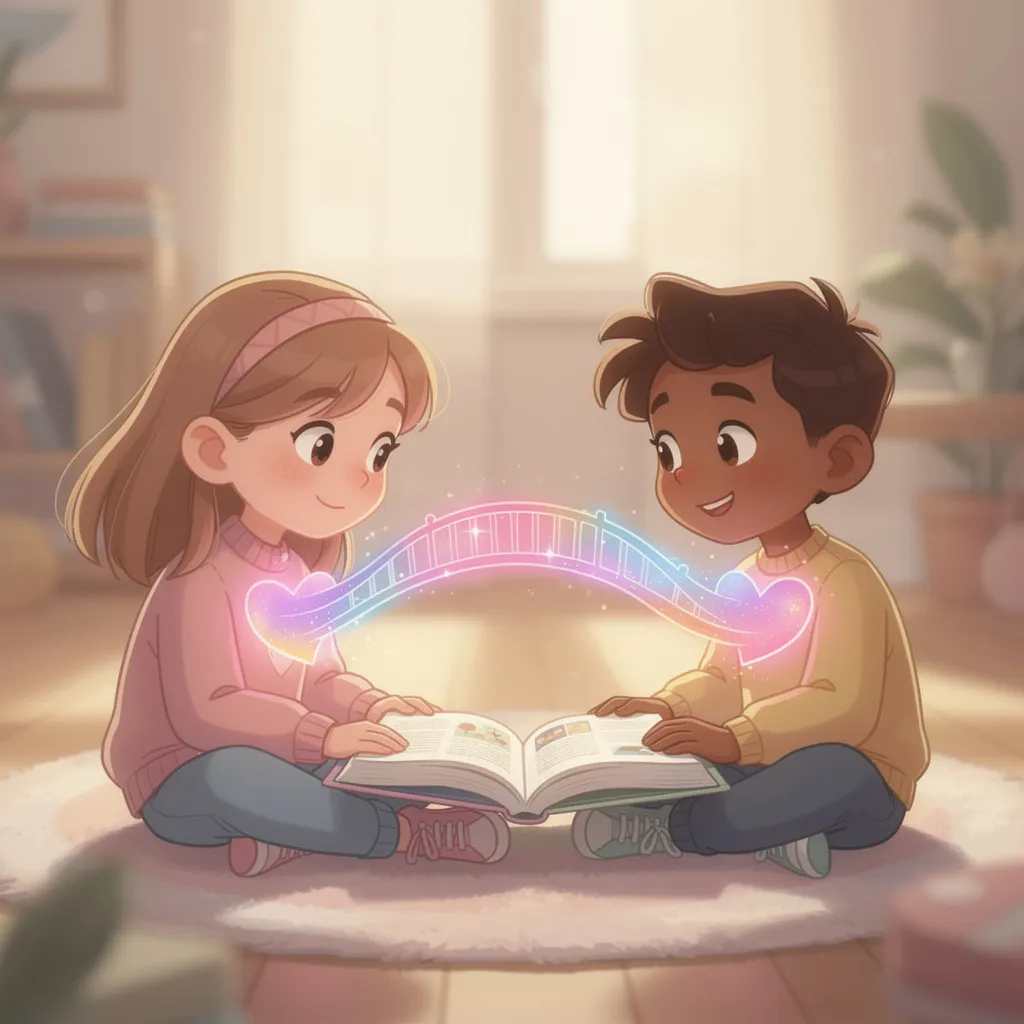
Children feel everything deeply, but they often lack the vocabulary to express what they're going through. A child dealing with their parents' divorce might not be able to say "I'm scared that this means you don't love me anymore." A child who lost a pet might not know how to articulate the hollow feeling in their chest. A child with anxiety might not even understand why their stomach hurts every Sunday night before school. But give that child a story - a story where a character who looks like them faces something similar - and something shifts. They lean in. They nod. They point at the page and say, "That's how I feel." This is bibliotherapy, and it's one of the most gentle, effective ways to help children navigate the hardest parts of growing up.
What Is Bibliotherapy?
Bibliotherapy is the practice of using books and stories to help people - especially children - understand and process difficult emotions and experiences. It has been used by therapists, counselors, and educators since the 1930s, and the research supporting it is extensive. A meta-analysis published in the Journal of Clinical Child and Adolescent Psychology found that bibliotherapy produced significant positive effects for children dealing with anxiety, depression, behavioral issues, and adjustment difficulties. The basic mechanism is straightforward: when a child reads or hears a story about a character facing a similar challenge, three things happen. First, identification - the child recognizes themselves in the character. Second, catharsis - they experience and release emotions in a safe context. Third, insight - they gain new perspectives on their own situation by seeing how the character navigates it.
Why Personalized Stories Hit Deeper
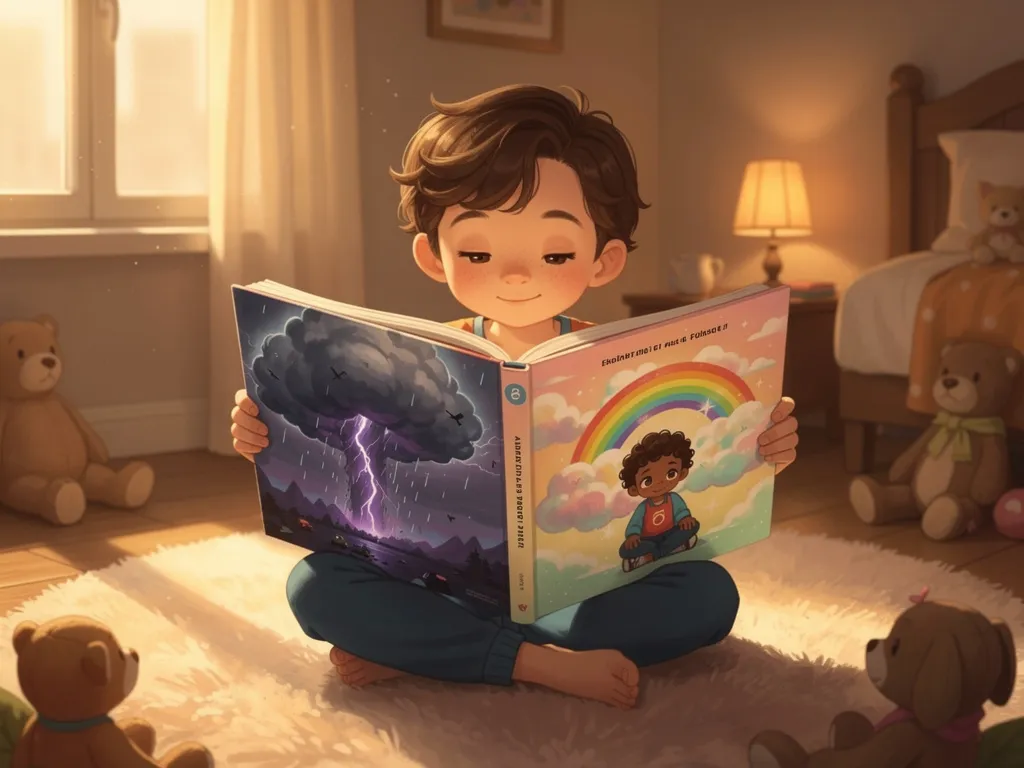
Traditional bibliotherapy relies on published books about common experiences - there are shelves full of titles like "Dinosaurs Divorce" and "The Invisible String." These books are valuable, but they're necessarily generic. The child reading about a character named "Alex" dealing with a new baby sibling has to make a cognitive leap to connect Alex's experience with their own. Personalized stories remove that gap entirely. When the character has your child's name, looks like your child, lives in a house that sounds like yours, and faces the exact situation your child is going through - the identification is immediate and profound. The child doesn't have to imagine themselves in the story. They are in the story. Research on the self-reference effect confirms that personally relevant information is processed more deeply and retained more effectively, which means the therapeutic benefits of the story are amplified significantly.
Story Ideas for Specific Situations
Here are practical story ideas you can create in Fable to help your child through common difficult experiences. For divorce or separation: Create a story where your child's character has two homes, and each home is special in its own way. Focus on what stays the same - both parents' love, their favorite toys, their pet. Avoid villains or blame. The message should be "some things are changing, but the most important things are staying exactly the same." For grief and loss: If your child has lost a pet, create a story about the wonderful adventures they had together, ending with the message that the love doesn't go away even when someone is gone. For a family member's passing, stories about a special star in the sky or a garden that blooms because of love can provide comfort without being heavy-handed. Let the child's age guide how direct you are.
More Situations and Story Approaches
For a new school or moving: Create a story where your child's character arrives somewhere unfamiliar and discovers, scene by scene, that there are wonderful things about this new place. A friendly classmate, an amazing playground, a teacher who loves the same things they do. Acknowledge that it feels scary at first - that validation matters enormously - but show it getting better. For anxiety: Stories where your child's character faces something scary and discovers they're braver than they thought can be incredibly powerful. The key is to not dismiss the fear. Let the character feel scared. Show them using a coping strategy - taking deep breaths, talking to a trusted adult, or remembering a time they were brave before. Then show them getting through it. For a new sibling: Create a story where your child's character becomes a big brother or sister and discovers all the cool things that come with it - being the expert, teaching the baby things, having a special role that only they can fill.
How to Use These Stories Effectively
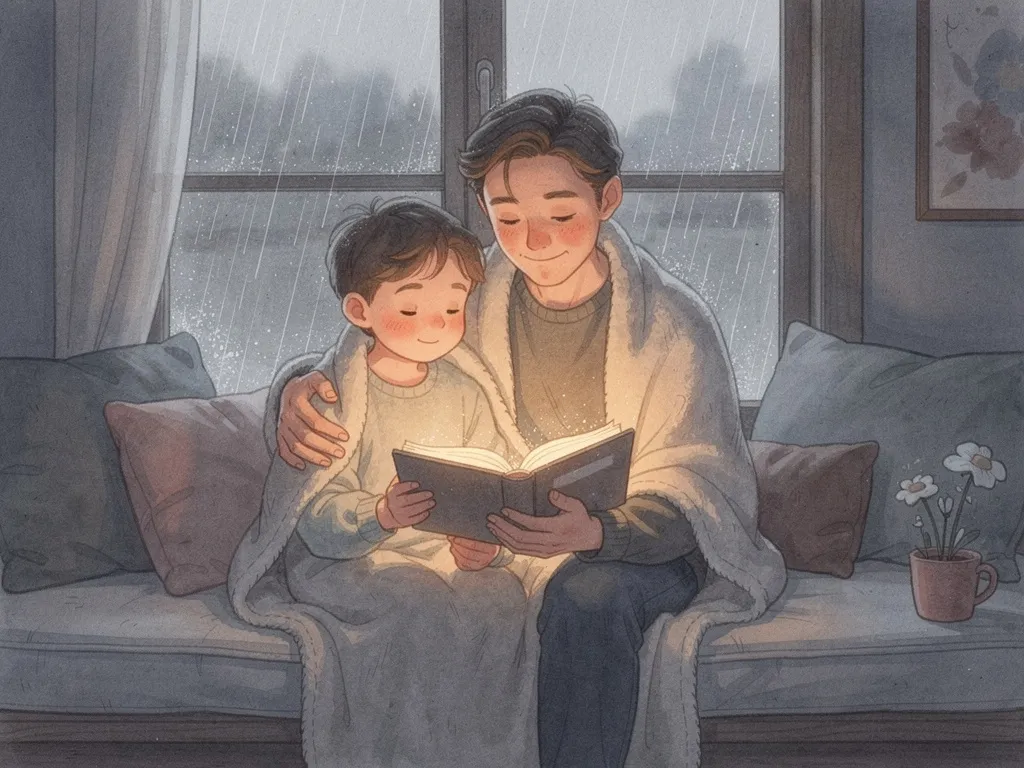
The way you use the story matters as much as the story itself. Read or listen to the story together - don't hand the device to your child and walk away. After the story, ask open-ended questions: "How do you think the character felt when that happened?" or "Has anything like that ever happened to you?" Let your child lead the conversation. Don't push. Sometimes a child will absorb the story silently the first time, then bring it up days later. Repetition is powerful - children often want to hear the same story multiple times, and each time they process it a little differently. With Fable, you can replay the story as many times as your child needs, and they'll hear the same comforting narration and see the same familiar character each time.
A Tool, Not a Replacement
It's important to say this clearly: personalized stories are a wonderful tool for helping children process emotions, but they're not a replacement for professional support when it's needed. If your child is experiencing persistent anxiety, depression, or behavioral changes after a significant life event, please reach out to a pediatrician or child therapist. Bibliotherapy works best as a complement to other forms of support - it opens doors to conversations, provides language for emotions, and helps children feel less alone in their experience. What Fable offers is the ability to create exactly the right story for exactly the right moment, with a character your child instantly connects with. It's a gentle first step in helping your child understand that whatever they're feeling is valid, normal, and something they can get through.
Frequently Asked Questions
Can stories help children cope with divorce?
Yes. Stories provide emotional distance that makes hard topics approachable. A child might not be able to talk about having two homes directly, but they can engage with a character going through something similar. Therapists have used bibliotherapy (reading as therapy) for decades, and personalized stories add another layer of connection.
How do I talk to my child about grief through stories?
Create a story where the character experiences something similar to what your child is going through, but with warmth and hope. The story gives you a shared reference point for conversation. Read it together so you can gauge their reaction and be there for questions.
What is bibliotherapy for children?
Bibliotherapy is the practice of using books and stories to help children process emotions, understand difficult situations, and develop coping skills. With AI personalization, you can create stories specifically tailored to your child's exact situation rather than hoping to find the right published book.
I regularly share updates on what I'm building and how I'm improving Fable.
Follow me on XReady to Create Your Own Story?
Create a story in your browser, or download Fable for iOS and Android. Add your own characters, illustrations, and narration.
You Might Also Like
How AI-Personalized Social Stories Help Children with Autism
October 1, 2025
How a Storytelling App Helped Our Family Through a Tough Time
January 21, 2026

7 Life Lessons Every Child Needs (Taught Through Stories)
November 26, 2025
How Stories Build Empathy: The Science Behind Raising Kind Kids
December 3, 2025