7 Life Lessons Every Child Needs (Taught Through Stories)

Why Stories Teach Better Than Lectures
Every parent has had the experience: you sit your child down, explain why they need to share with their sibling, and watch the message go in one ear and out the other. You repeat it. You explain the reasoning. You try different angles. Nothing sticks. Then they watch a cartoon where a character learns to share, and suddenly they're offering their toys to everyone in sight. What happened?
Stories bypass our defenses. When someone tells us what to do, our instinct is to resist - even as children. It feels like being controlled. But when we watch a character navigate a situation and discover a better way, we internalize the lesson voluntarily. We're not being told what to do. We're experiencing, alongside the character, why a certain behavior leads to a better outcome. That's not instruction - it's understanding. And understanding sticks in a way that instruction rarely does.
Now multiply that effect by making your child the protagonist of the story. When they see themselves - a character who looks like them, has their name, faces the same situations they face - navigate a challenge and grow from it, the lesson becomes personal. It's not about some random character learning to be brave. It's about them learning to be brave. That's the power of personalized storytelling, and it's why tools like Fable are so effective for teaching life lessons.
Lesson 1: Sharing
Sharing is one of the earliest and most challenging lessons kids face. It goes against every instinct they have - this is mine, I want to keep it, why should I give it away? And honestly, from their perspective, the logic is pretty sound. The key to teaching sharing isn't explaining why they should do it. It's helping them experience how it feels - both the difficulty of letting go and the joy that comes from making someone else happy.
Try this story prompt in Fable: "A story about [child's name] who has a special toy that a new friend at the park really wants to play with. [Child's name] learns that sharing doesn't mean losing something - it means gaining a friend." The story will take your child through the emotional journey of reluctance, generosity, and the rewarding feeling of connection that comes from sharing. Because they're the protagonist, they experience these emotions firsthand rather than being lectured about them.
Lesson 2: Kindness
Kindness seems simple, but it's actually a complex skill that involves recognizing someone else's needs, caring about those needs, and taking action. Kids aren't born knowing how to do this - they learn it through observation and practice. Stories give them a safe space to practice. They see their character notice someone who's struggling, decide to help, and witness the impact of that choice.
Story prompt idea: "A story about [child's name] who notices a new kid at school sitting alone at lunch and decides to sit with them." Stories like this help children rehearse kind behavior in their imagination before they encounter the situation in real life. When they do encounter it, the response feels familiar rather than uncomfortable. They've already practiced it - in their story.
Lesson 3: Bravery
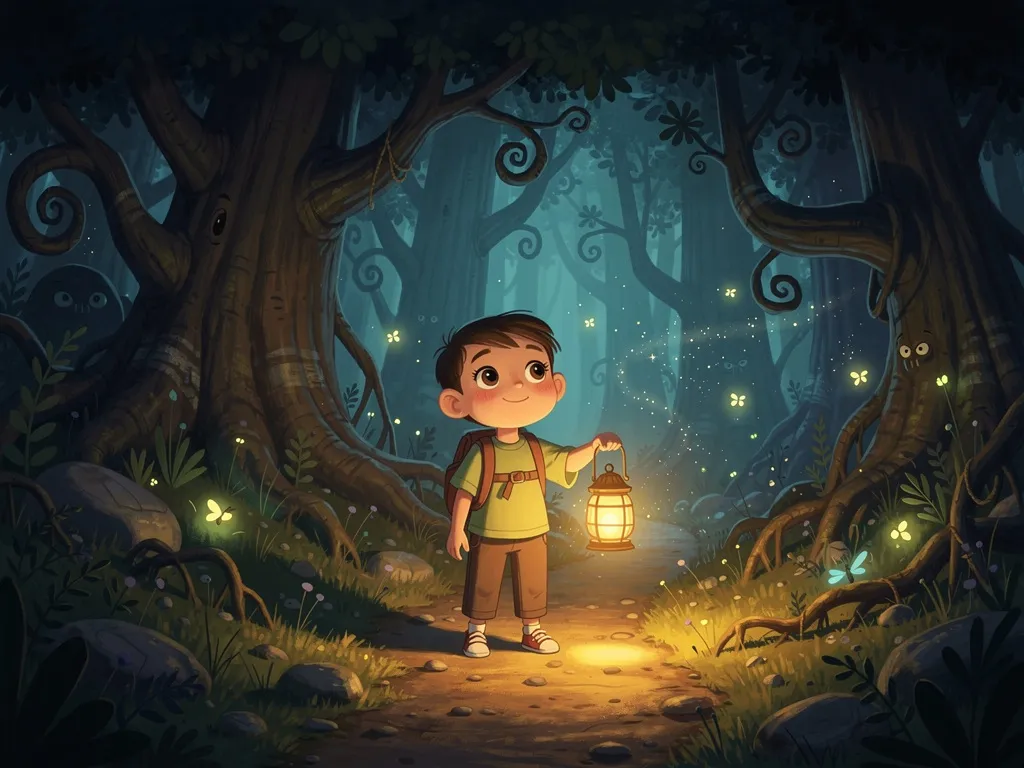
Bravery isn't the absence of fear - it's acting despite fear. That's a nuance that's hard to explain to a child but easy to demonstrate through a story. When your child sees their character feeling scared but choosing to move forward anyway, they internalize a model for courage that they can draw on when they face their own scary moments.
Story prompt idea: "A story about [child's name] who is afraid of the dark but goes on a nighttime adventure and discovers that the dark is full of beautiful things they never noticed before." Fear of the dark is nearly universal in children, which makes it a perfect starting point for teaching bravery. The story doesn't dismiss the fear - it acknowledges it and then shows the character that the thing they feared was actually an opportunity for wonder.
Lesson 4: Honesty
Teaching honesty is tricky because dishonesty is often a rational strategy from a child's perspective. They broke something and they don't want to get in trouble. Lying solves the immediate problem. The long-term consequences of dishonesty are abstract and hard for young kids to grasp. Stories make those consequences concrete and experiential.
Story prompt idea: "A story about [child's name] who accidentally breaks a favorite vase and has to decide whether to tell the truth or hide it. They discover that telling the truth, even when it's hard, feels better than carrying a secret." The key here is that the story doesn't punish the character harshly for the honest confession - it shows that honesty is met with understanding. This models the kind of response that makes kids more likely to be honest in real life.
Lesson 5: Patience
We live in an instant-gratification world, and patience is harder to teach now than ever. Kids are growing up with on-demand everything - on-demand shows, same-day delivery, instant answers from voice assistants. The concept of waiting for something, of working toward a goal that takes time, is genuinely foreign to many children.
Story prompt idea: "A story about [child's name] who plants a garden and has to wait patiently for the seeds to grow, learning that the best things take time." Gardening is a perfect metaphor for patience because the reward is tangible and visual. The story can show the character's frustration with waiting, the temptation to give up, and the ultimate joy of seeing something they nurtured finally bloom. It makes an abstract concept physically real.
Lesson 6: Empathy
Empathy - the ability to understand and share the feelings of another person - is arguably the foundation of every other lesson on this list. Sharing requires empathy. Kindness requires empathy. Even honesty is easier when you can empathize with how your dishonesty affects others. Stories are one of the most powerful empathy-building tools available because they literally place the reader in someone else's experience.
Story prompt idea: "A story about [child's name] who gets magical glasses that let them see what other people are feeling, and discovers that the grumpy neighbor is actually lonely and the quiet kid at school is actually scared." This kind of story helps children understand that behavior has underlying emotions, and that understanding those emotions changes how we respond to people. It's perspective-taking practice, and research shows that this kind of practice genuinely builds empathic capacity.
Lesson 7: Resilience
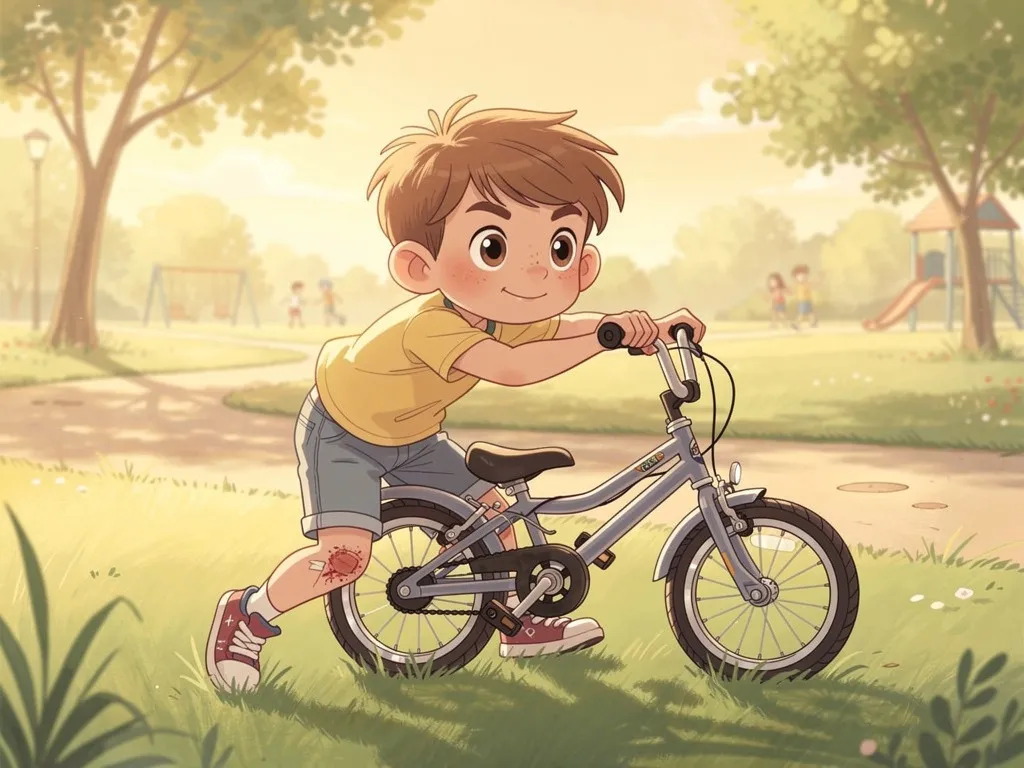
Resilience might be the most important life skill on this entire list. The ability to fail, feel the disappointment, and get back up is something every child will need throughout their entire life. Stories model this beautifully - the hero stumbles, falls, and finds the strength to try again. When your child is that hero, the lesson hits differently.
Story prompt idea: "A story about [child's name] who is learning to ride a bike and keeps falling down, but discovers that every fall teaches them something and eventually they're riding faster than the wind." The power of this story is in normalizing failure as part of the process. Too many kids interpret failure as a sign that they can't do something, when really it's a sign that they're learning. A personalized story about their own resilience gives them a narrative framework for understanding setbacks as stepping stones rather than dead ends.
Making These Stories Part of Your Routine
The most effective approach isn't to dump all seven lessons on your child at once. Instead, weave them into your regular storytelling routine. If your child had a hard day with sharing, create a sharing story that evening. If they're about to face something scary - a dentist visit, a first day at a new school, a swimming lesson - create a bravery story the night before. Meet them where they are with stories that address what they're actually going through.
With Fable, this is easy to do on the fly. You don't need to plan ahead or write anything yourself. Just describe the situation and the lesson, and in under 5 minutes you have a fully illustrated, narrated story that your child will connect with deeply. Over time, you're building a personal library of stories - each one tied to a specific lesson, a specific moment in your child's life. That library becomes a resource you can return to again and again, reinforcing lessons through characters and narratives that your child already knows and loves.
Frequently Asked Questions
How do I teach my child values through stories?
Let the story do the work. Instead of lecturing about sharing, create a story where your child's character discovers that sharing leads to an unexpected friendship. Kids absorb lessons better when they experience them through narrative rather than being told directly.
What life lessons work best in children's stories?
Kindness, sharing, bravery, honesty, resilience, and empathy are classics. The key is showing the lesson through the character's actions and natural consequences rather than stating it explicitly. Stories about helping others, overcoming fear, and trying new things resonate strongly.
Can AI create stories that teach moral lessons?
Yes. You can prompt Fable with specific lessons you want to teach - "a story about sharing" or "an adventure about being brave at the dentist" - and the AI weaves the lesson into an engaging narrative where your child is the hero who learns and grows.
I regularly share updates on what I'm building and how I'm improving Fable.
Follow me on XReady to Create Your Own Story?
Create a story in your browser, or download Fable for iOS and Android. Add your own characters, illustrations, and narration.