15 Screen-Free Storytelling Activities for the Whole Family

Why Screen-Free Storytelling Matters More Than Ever
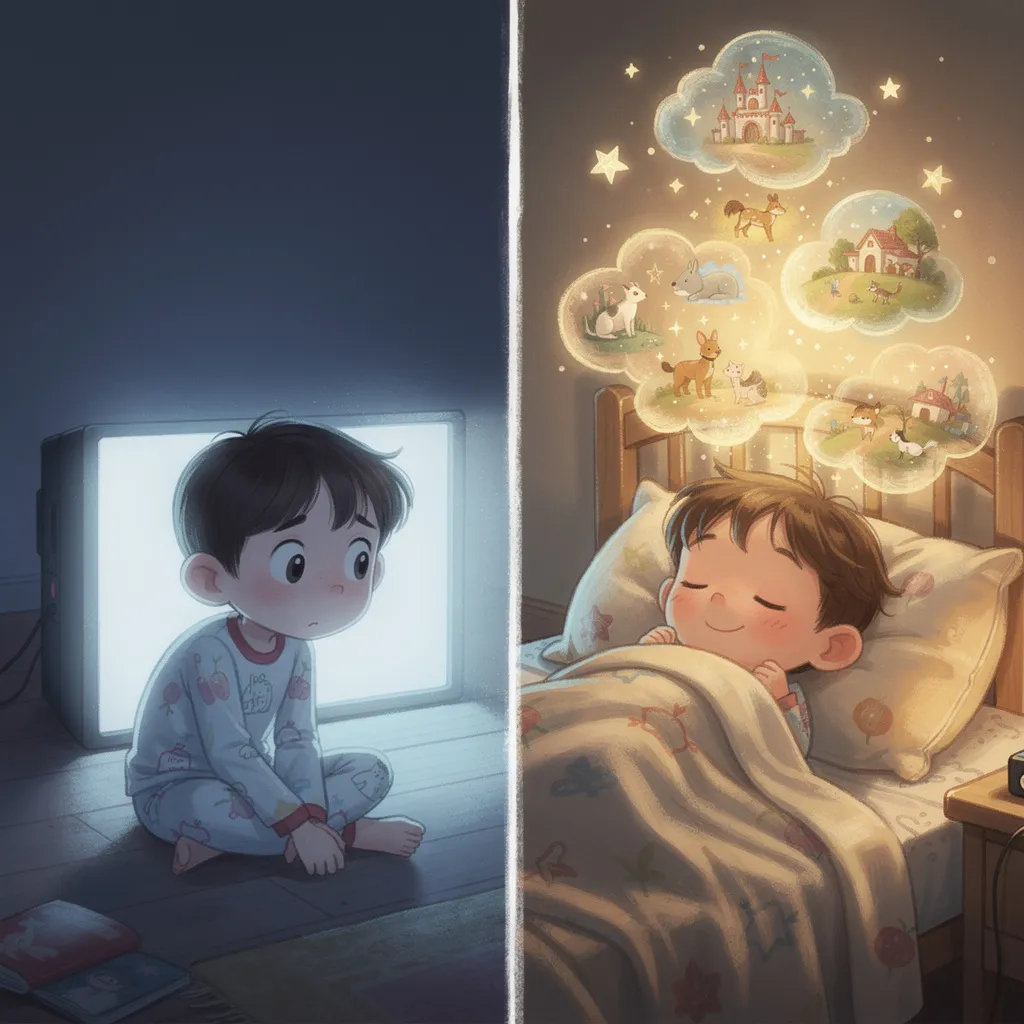
We live in a world where screens are everywhere, and that's not inherently bad. Technology gives us incredible tools for learning, creating, and connecting. But there's growing recognition - backed by research and, honestly, just by the gut feeling of anyone who's spent time with kids - that balance matters. Screen-free time isn't about being anti-technology. It's about creating space for a different kind of engagement. The kind where kids use their own imaginations instead of consuming someone else's. Where families interact face-to-face instead of side-by-side-staring-at-devices. Where creativity is physical, messy, loud, and alive. Storytelling is one of the most natural screen-free activities humans have ever invented. We've been doing it for tens of thousands of years around campfires, at dinner tables, and in bedrooms at lights-out. It predates writing, let alone Wi-Fi. What's interesting about our current moment is that AI can actually help facilitate screen-free experiences. That sounds paradoxical, but hear me out: you can use an app like Fable to create a personalized story in under 5 minutes, then print it as a physical book, then use that book as the launching pad for all kinds of offline activities. The technology does the heavy lifting of creation. The family gets to enjoy the result without a screen in sight. That's the philosophy behind this list. Some of these activities use printed Fable stories as a starting point. Others are completely standalone. All of them will fill your home with the kind of noise, laughter, and creativity that no app can replicate.
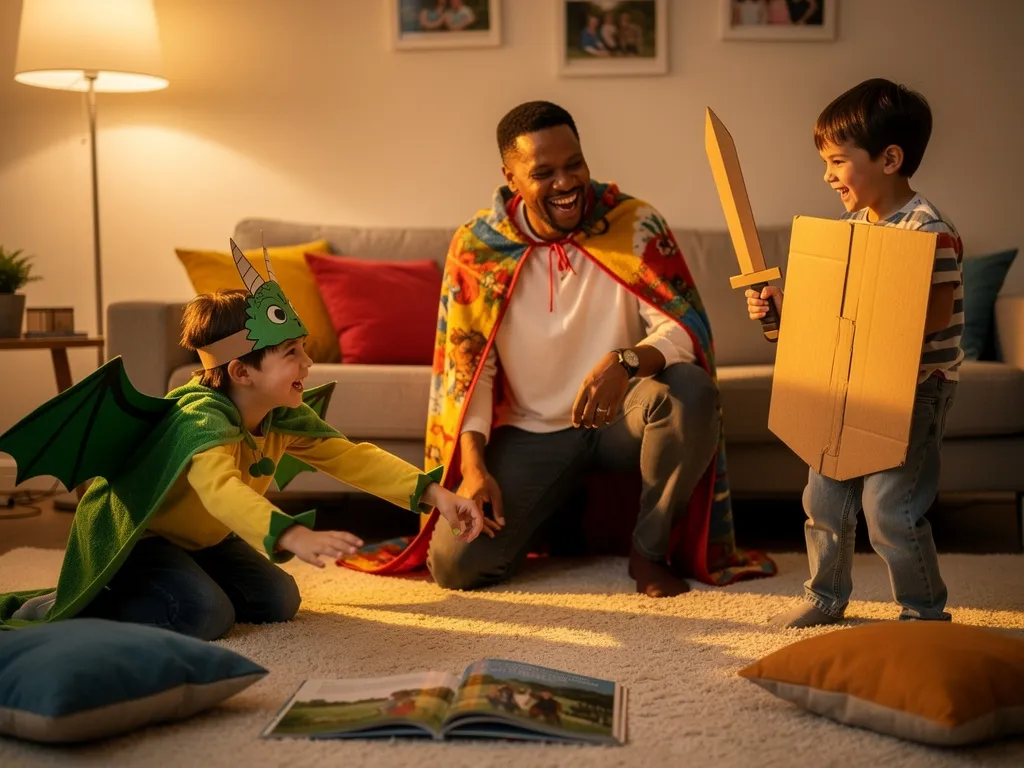
1. Act Out the Story Take any story your kids love - a printed Fable book works perfectly because the child is already the main character - and act it out together. Assign roles, improvise dialogue, use couch cushions as mountains and blankets as oceans. No costumes needed (though if your kid insists on wearing a cape, obviously let them wear the cape). The goal isn't a polished performance. It's organized chaos with a narrative thread. 2. Story Freeze Dance One person narrates a story (reading from a book or making it up). Everyone else acts it out with movement. When the narrator yells "Freeze!" everyone stops mid-action. The sillier the frozen poses, the better. This works amazingly well with younger kids who have energy to burn before bedtime. 3. Shadow Puppet Theater All you need is a lamp, a blank wall, and your hands. Create characters from a story and perform it as a shadow puppet show. For more elaborate productions, cut character shapes from cardboard and tape them to sticks. A printed Fable story gives you a ready-made script - just hold the book to the side and narrate while your shadow puppets do the acting. 4. Story Obstacle Course Build a simple obstacle course in your living room or backyard, but theme each station to a story event. "Cross the lava river" (jump over pillows). "Climb the giant's beanstalk" (climb the stairs). "Crawl through the dragon's cave" (under a table with a blanket draped over it). Narrate the story as your kid completes each challenge. 5. Character Dress-Up Box Keep a box of random costume pieces - scarves, hats, old Halloween costumes, oversized shirts. After reading a story, everyone picks items from the box to dress up as a character. Then stay in character for the next ten minutes. Dinner preparation as a pirate? Tooth-brushing as a fairy princess? It turns mundane moments into memorable ones.
Activities 6-10: Stories That Spark Creativity
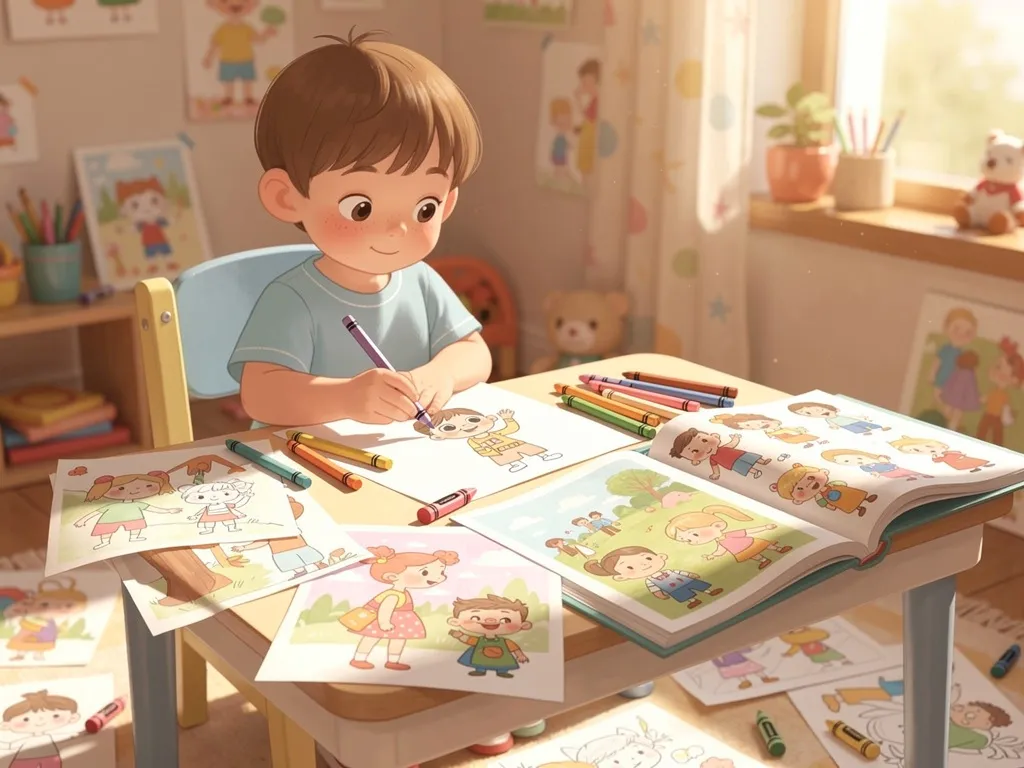
6. Draw What Happens Next Read a story up to a cliffhanger moment, then stop. Hand everyone paper and crayons and ask them to draw what happens next. Compare the results afterward - you'll be amazed at how different each person's imagination takes the story. This works especially well with Fable stories because kids are already invested in a character that looks like them. 7. Story Chain Game Sit in a circle. One person starts a story with a single sentence. The next person adds a sentence. Keep going around. The only rule is you have to build on what came before - no contradicting what someone else said. This game produces the most wonderfully bizarre stories you'll ever hear. A princess who rides a skateboard to the moon? Sure. A dinosaur who opens a bakery? Why not. 8. Create a Story Map After reading a story together, get a big piece of paper (or tape several sheets together) and draw a map of the story's world. Where did the adventure start? Where did the hero travel? What landmarks did they pass? This is a great comprehension activity disguised as an art project. Kids remember stories better when they've physically mapped them out. 9. Story Stones Paint or draw simple images on smooth stones - a sun, a tree, a castle, an animal, a star. Put them in a bag. Pull out three to five stones at random and make up a story that includes all of them. Every combination produces a different story. Kids can make their own stones too, which doubles the creative time. 10. Build the Setting Using blocks, LEGO, blankets, cardboard boxes, or whatever building materials you have, construct the setting of a story. Build the enchanted forest. Build the underwater kingdom. Build the spaceship. Then use action figures or dolls to replay the story in the setting you've created. This can easily consume an entire rainy afternoon, and the building is half the fun.
11. Bedtime Story Swap Instead of the usual adult-reads-to-child routine, swap roles. Let your child "read" you a bedtime story. They can read from a book, retell a story from memory, or make one up entirely. You lie there and listen. It's a role reversal that kids find absolutely delightful, and it builds narrative skills and confidence. 12. Family Story Night Pick one evening a week as "story night." Rotate who gets to choose the story and the activity. Maybe one week it's reading a printed Fable book by flashlight in a blanket fort. The next week it's everyone taking turns telling their own stories. The ritual of it matters as much as the specific activity. 13. Interview a Character After reading a story, one person pretends to be a character from the story while others interview them. "So, Dragon, why did you decide to help the hero instead of eating them?" This encourages perspective-taking, empathy, and hilarious improvisation. Kids who are shy about performing often open up when they're "in character." 14. Story Recipe or Craft Pick an element from a story and make it real. If the story mentions a magical potion, make a "potion" in the kitchen (smoothie, anyone?). If the hero finds a treasure map, make one with tea-stained paper and hide actual treasures around the house. If the story features a special crown, make one from cardboard and glitter. Connecting physical making to narrative makes the story tangible. 15. Print and Build a Story Library This one is specifically for Fable users. Print your child's personalized stories as physical books and build a dedicated shelf or corner for them. Let your child organize them, decorate the space, and choose which one to read each night. Having a physical library of stories where they're the main character is powerful. It's a screen-free resource that started with AI but lives entirely in the physical world - and it grows with every new story you create together.
Making Screen-Free Time Sustainable (Not Stressful)
Here's the thing about screen-free activities: if they feel like a punishment or a chore, they won't stick. The goal isn't to eliminate screens with grim determination. It's to offer alternatives that are so genuinely enjoyable that kids choose them willingly - at least some of the time. Start small. You don't need to implement all fifteen activities this week. Pick one or two that match your family's energy and interests. If your kids love physical play, start with the act-it-out activities. If they're artists, start with the drawing and building ones. If your family loves talking and laughing together, the story chain game and character interviews are gold. Keep supplies accessible. A dedicated box or shelf with crayons, paper, story stones, costume pieces, and printed books means you can launch into a story activity without twenty minutes of preparation. Spontaneity is your friend here. Let kids lead. The activities in this list are starting points, not rigid scripts. If your child takes "draw what happens next" and turns it into a full comic book series, let them run with it. If "act out the story" evolves into a completely original play that has nothing to do with the original story, that's even better. The creativity is the point. And don't make it an either/or thing. Some of the best family moments happen when you blend technology and hands-on activity. Use Fable to create a story together (that's the tech part), print it as a book (bridge between digital and physical), then use that book as the foundation for a whole evening of screen-free fun (that's the magic part). The fifteen activities on this list have been tested by real families. They work for different ages, different energy levels, and different family sizes. But the best activity is always the one that gets your specific family laughing, creating, and connecting. Use this list as a starting point, then make it your own.
The Printed Book Advantage
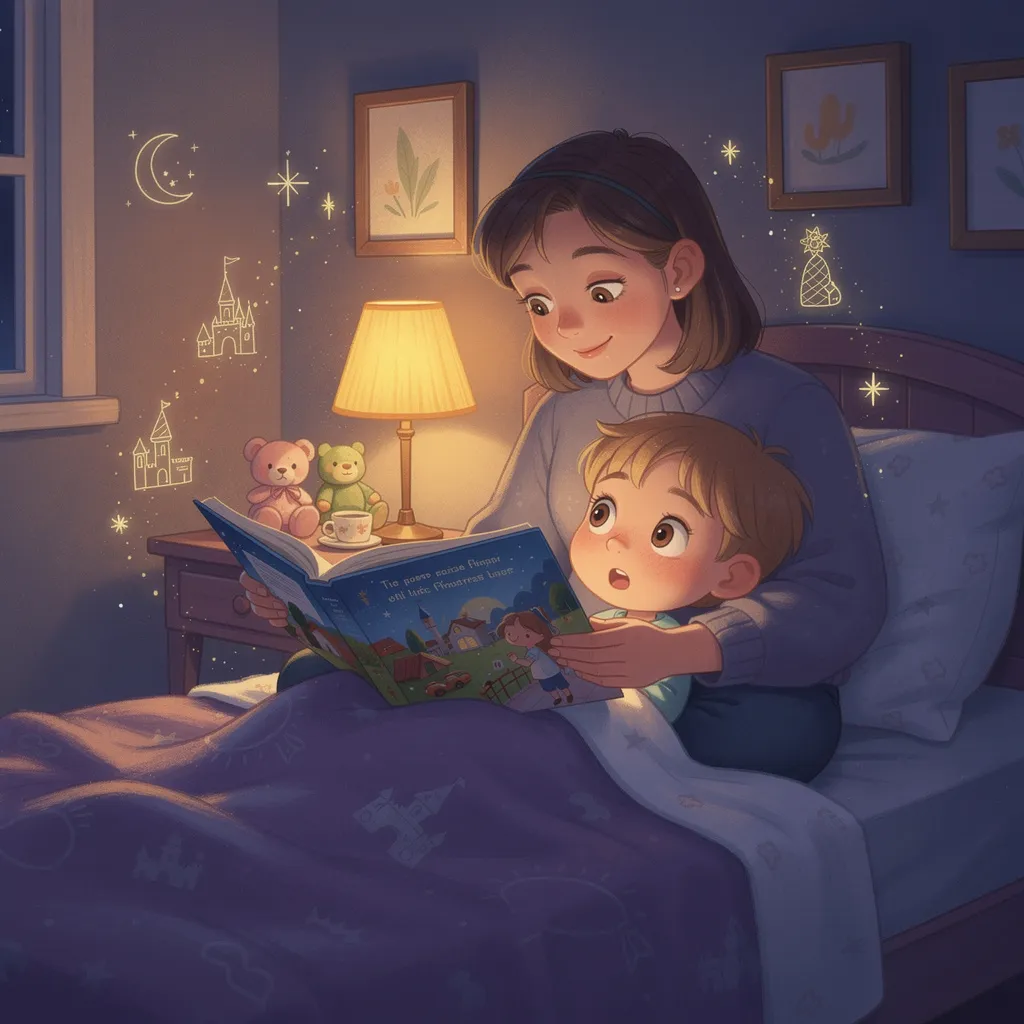
There's a reason several of these activities reference printed Fable books specifically, and it's not just because we make them. It's because a physical, personalized book is an incredibly versatile tool for screen-free engagement. A generic storybook is wonderful. But a storybook where your child is the illustrated main character? That's a different level of investment. Kids want to act out stories where they're the hero. They want to draw additional scenes for adventures they're already in. They want to show the book to friends, bring it to show-and-tell, and read it independently. The physical format matters too. You can take a printed book to the park, to a grandparent's house, on a camping trip, or into a blanket fort. It doesn't need charging. It doesn't ping with notifications. It doesn't lead to "just one more episode." It's a self-contained story experience that begins and ends between two covers. If you haven't tried printing a Fable story yet, consider starting with one. Create a story your child loves, order a printed copy, and then use it as the launching pad for three or four activities from this list. The story gets richer every time you interact with it in a new way - and that's something screens simply can't do. Stories have always been humanity's favorite screen-free activity. We're just giving them a personalized twist.
Frequently Asked Questions
What are good screen-free activities for kids?
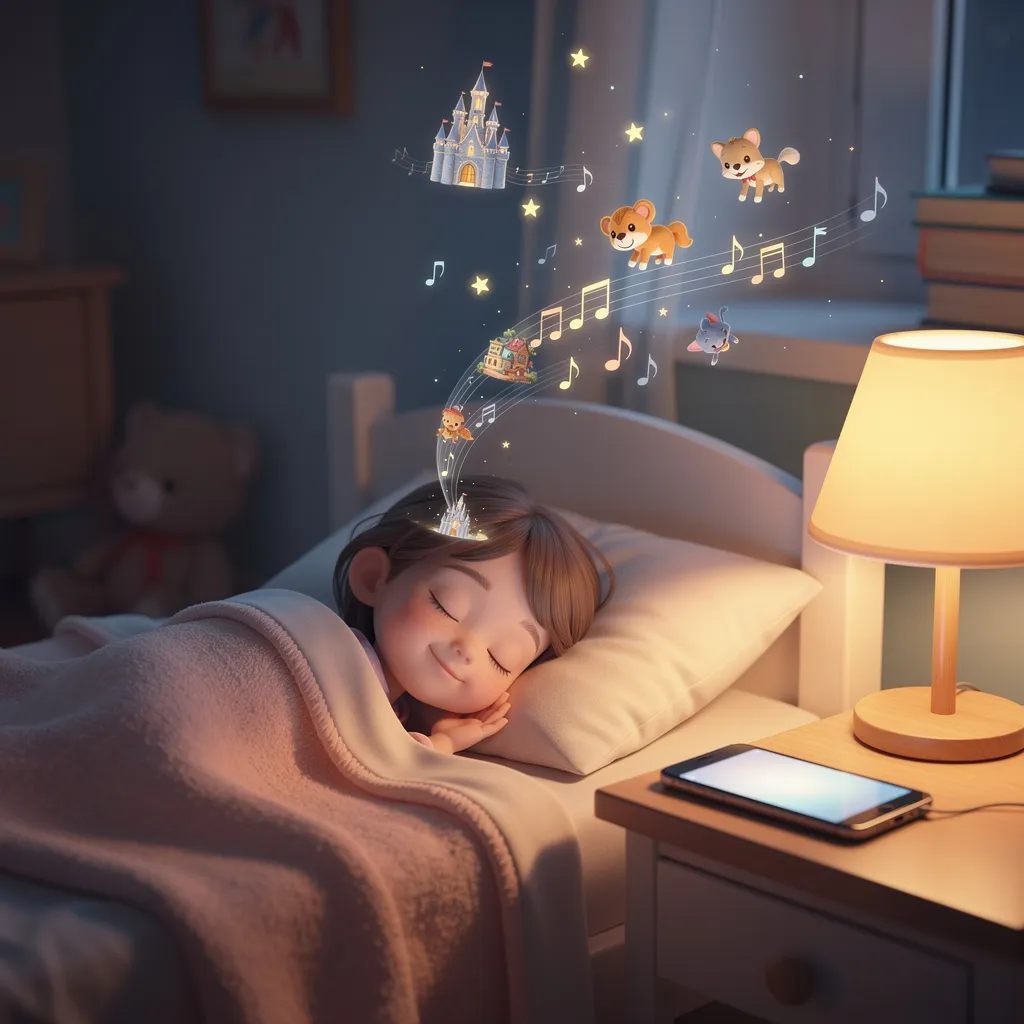
Audio stories are one of the best screen-free alternatives. Fable stories can be listened to with narration and music without a screen. Other great options: acting out stories, drawing scenes, building story settings with blocks, and outdoor adventures inspired by stories you have created together.
How do I transition my child from screens to books?
Bridge the gap rather than going cold turkey. Print a Fable story your child already loves digitally, or use audio narration during time that would otherwise be tablet time. Familiar content in a new format makes the transition smoother than switching to something entirely unknown.
Can printed books come from AI story apps?
Yes. Fable lets you order printed hardcover or paperback books of any story you create digitally. It is a great way to turn screen-based story time into a physical book your child can hold, take to bed, or keep on their shelf.
I regularly share updates on what I'm building and how I'm improving Fable.
Follow me on XReady to Create Your Own Story?
Create a story in your browser, or download Fable for iOS and Android. Add your own characters, illustrations, and narration.