How to Create a Personalized Audiobook for Your Child Using AI

The Secret Audiobook Mode That Families Love
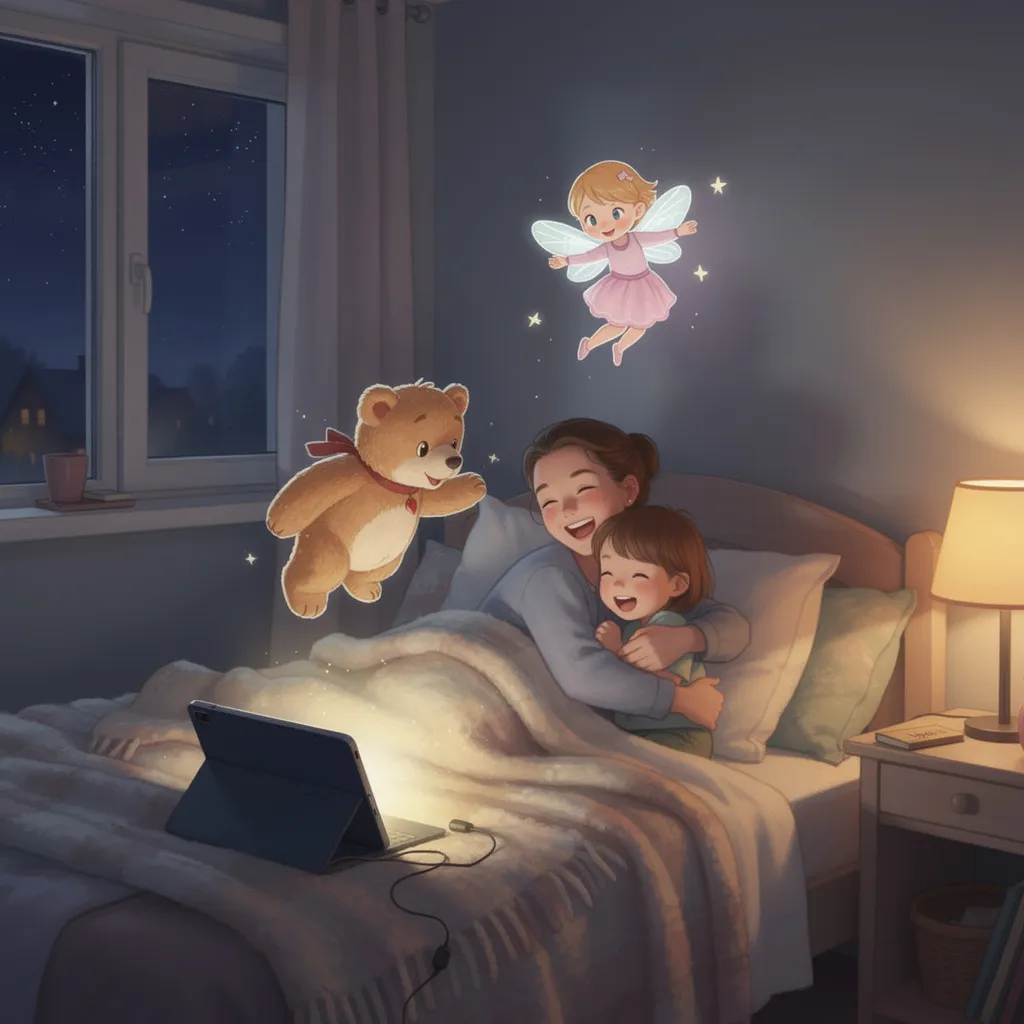
Here's something we didn't plan for when building Fable, but it's become one of the most beloved ways people use the app: they flip the phone face-down and just listen. No screen. No visuals. Just a beautifully narrated story with their child's name woven through every scene, expressive character voices bringing the dialogue to life, and gentle background music setting the mood. It started showing up in feedback from families. "We use it as an audiobook at bedtime." "My daughter listens to her stories in the car." "I put the phone on the nightstand face-down and let it play while my son falls asleep." And it makes perfect sense. Audiobooks for kids are booming - the format has grown massively over the past few years as families look for screen-free entertainment. But traditional audiobooks have a limitation: they're generic. They're someone else's story about someone else's characters. Fable's stories are different because the child is the main character. When the narrator says their name, when the hero of the story has their personality traits, when the adventure reflects their actual interests - the engagement level is on a completely different plane. It's the difference between listening to a story and listening to your story.
Why Audio Stories Hit Different (Especially When You're Exhausted)
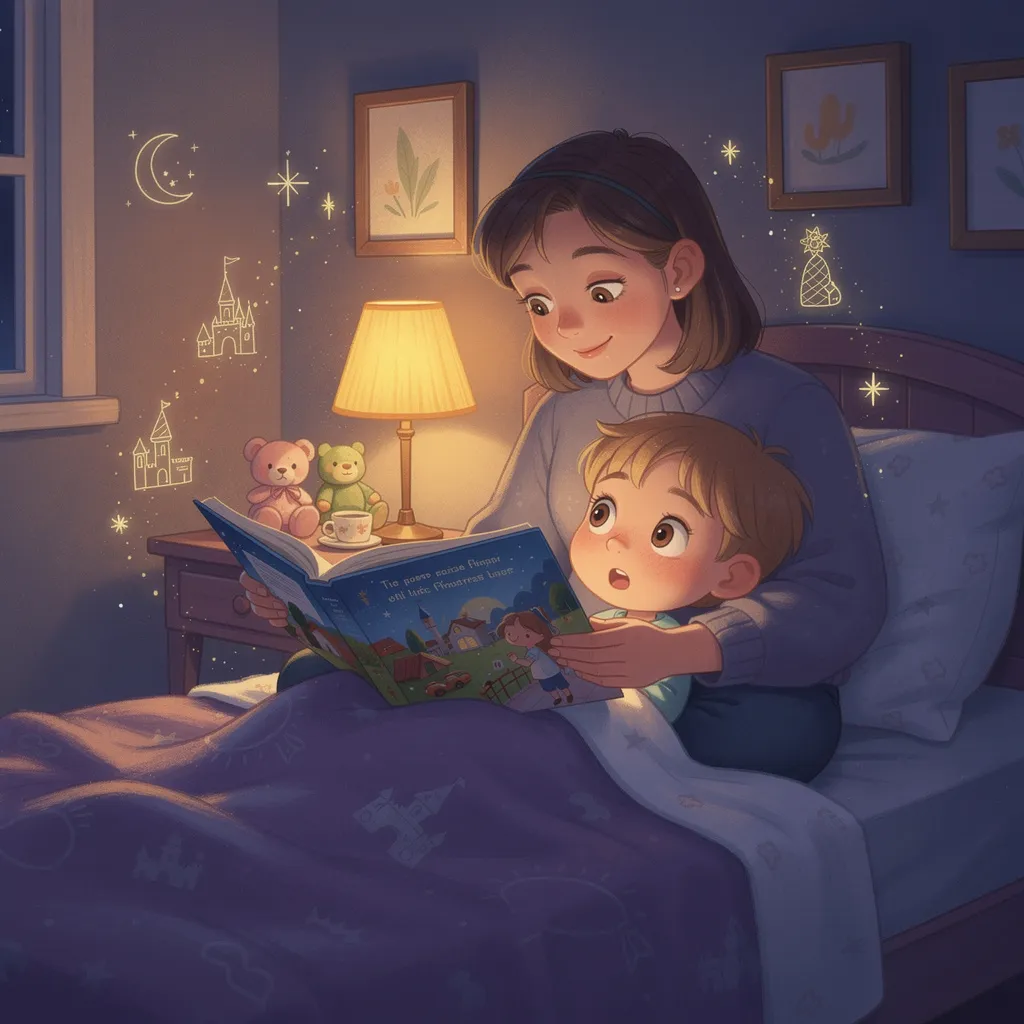
Can we talk honestly for a minute about bedtime reading? It's supposed to be this magical bonding ritual, and sometimes it genuinely is. But other times - after a long day, when you're running on four hours of sleep and the kitchen still needs cleaning - reading aloud for the fifth consecutive night feels less magical and more like a marathon you didn't train for. There's no shame in that. It's just reality. Audio stories aren't a replacement for reading together. They're a complement. They're for the nights when your voice is tired, when you're not feeling well, when the kid wants "one more story" and you physically cannot produce one more story from your own vocal cords. But here's the thing that surprised a lot of families: kids sometimes actually prefer the audio version. Not always, and not as a replacement for human connection, but the narration quality in AI-generated stories has reached a point where it's genuinely engaging. Fable's narration uses expressive voice synthesis that adjusts tone, pacing, and emotion based on what's happening in the story. Exciting chase scenes get faster and more energetic. Quiet, reflective moments slow down and soften. Character dialogue has distinct voices so kids can follow who's speaking. And underneath it all, there's background music that matches the mood of each scene. It's closer to an audio drama than a straightforward audiobook reading. And for a child whose name keeps appearing in the story, who keeps hearing themselves described as the brave adventurer or the clever problem-solver - it's incredibly immersive.
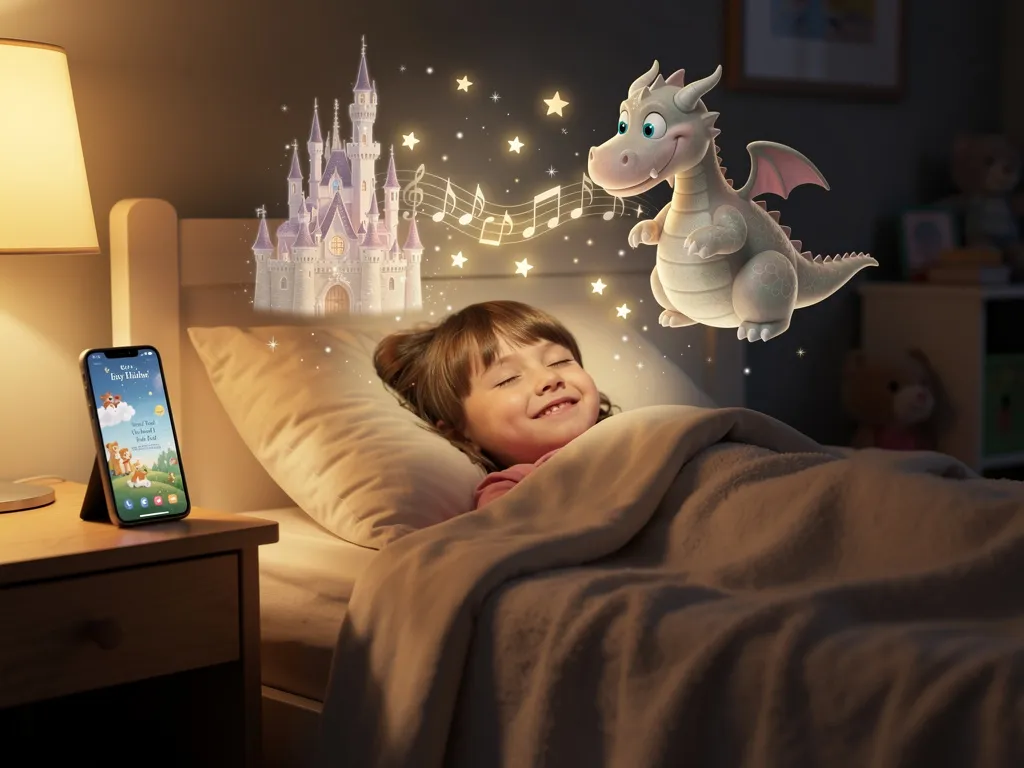
You might be wondering what makes AI narration different from, say, a text-to-speech robot voice reading words off a screen. The answer is: basically everything. Fable's narration engine doesn't just convert text to speech. It interprets the story. It understands narrative context - when a character is whispering a secret, the voice drops to a conspiratorial murmur. When the hero discovers something amazing, there's genuine wonder in the delivery. When there's danger, the tension comes through in the pacing and tone. Each story also gets a musical score. Not a single looping track, but music that shifts and adapts to match the story's emotional arc. A gentle, twinkling melody for a magical forest. Something warm and comforting for a scene about friendship. A playful, bouncy rhythm for a silly moment. The music is subtle enough to enhance without overwhelming, but present enough to create atmosphere. Character voices add another layer. The wise owl sounds different from the mischievous fox. The brave knight has a different vocal quality than the gentle fairy. This makes it easy for children to follow conversations and keeps the audio experience dynamic and engaging. The result is something that feels less like "a computer reading a story" and more like "a really talented narrator performing a story just for your kid." The personalization is what seals it - hearing their own name in this rich, produced audio experience makes children sit up (or snuggle down) and pay attention in a way that generic audiobooks often can't achieve.
Step by Step: Creating Your Child's Personalized Audiobook
Creating a personalized audio story with Fable is straightforward, and the whole process takes under 5 minutes. Here's how to do it. Step 1: Create your child's character. Open Fable and set up a character profile with your child's name, appearance details, and personality traits. This is what the AI uses to make the story feel genuinely personal. The more specific you are - "loves dinosaurs, a little shy, has a best friend named Marcus" - the more tailored the story becomes. Step 2: Choose or prompt a story. You can let Fable's AI surprise you with a story based on the character profile, or you can guide it with a prompt. For an audio-focused experience, think about what sounds good when narrated. Adventures with varied pacing work great. Stories with dialogue between interesting characters keep the audio dynamic. Bedtime-oriented stories with a calming arc are perfect for the sleep-time use case. Step 3: Preview and listen. Once your story is generated, play it through. Listen to the narration, the music, the character voices. Make sure it feels right for your child and for the situation you'll be using it in. Step 4: Set up your listening environment. This is where the "audiobook mode" comes in. Place your phone on the nightstand, a shelf, or wherever works best. Turn the screen face-down or turn off the display. Adjust the volume so it's comfortable - for bedtime, you want it audible but soothing, not so loud it's stimulating. Step 5: Press play and let the story do its thing. Your child listens, you get a break (or you listen too - no judgment, these stories are genuinely enjoyable), and bedtime becomes a little easier. Bonus tip: create several stories and rotate them. Kids love repetition, but having a library of personalized audio stories means you've always got something fresh when they're ready for a new adventure.
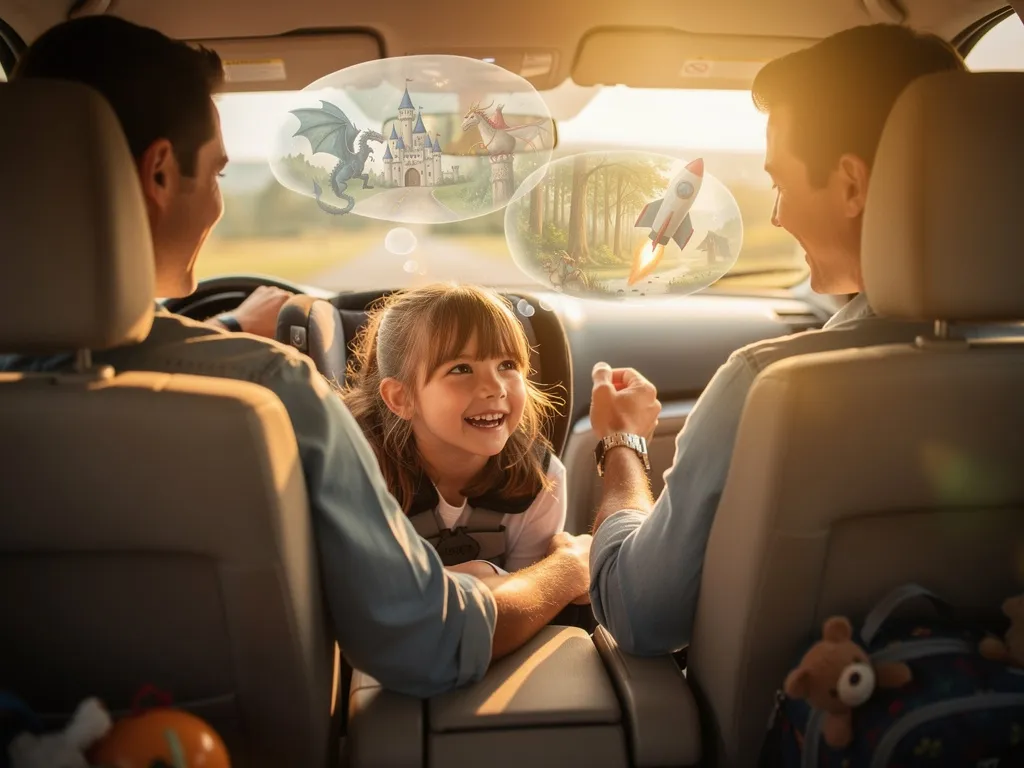
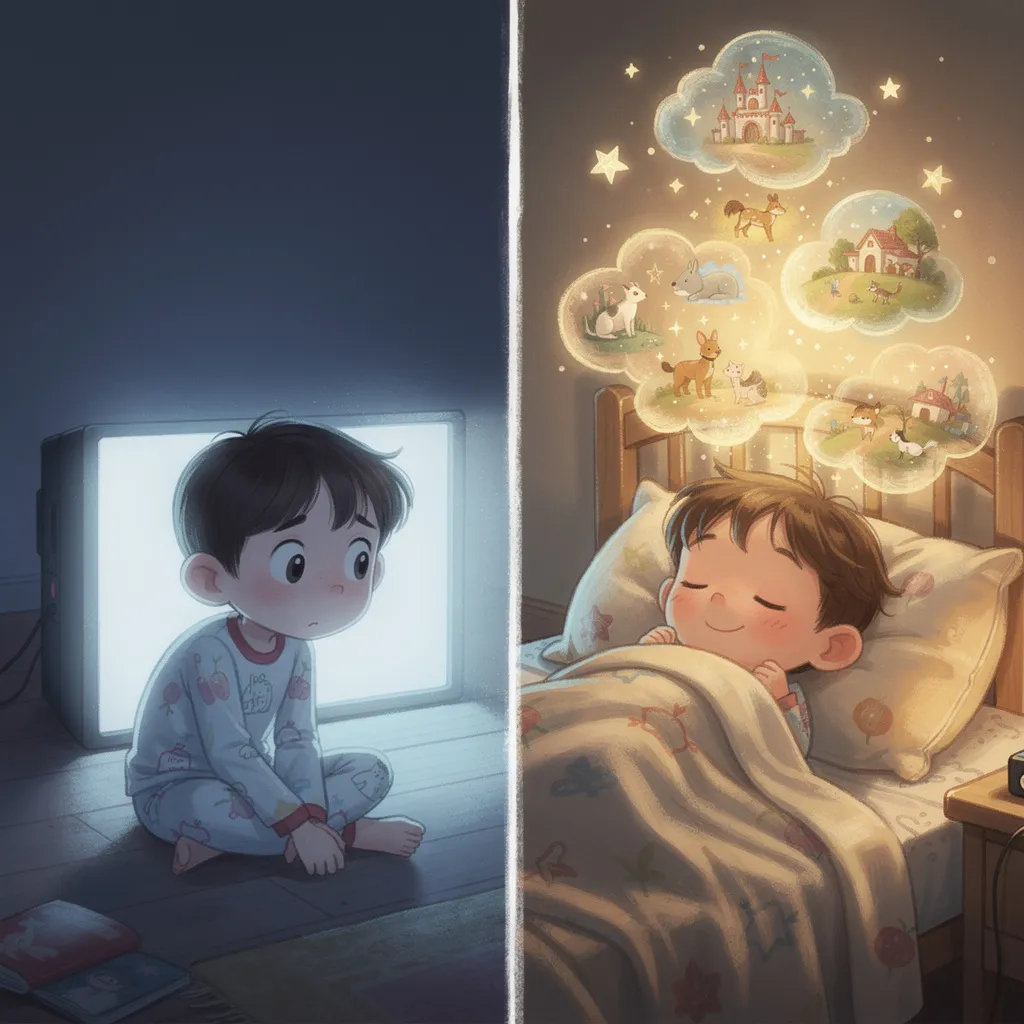
Bedtime is the obvious use case, but families have gotten creative with when and where they use Fable as an audiobook. Here are some of the best scenarios people have shared. Car rides are a huge one. Long drives with kids can be challenging, and while screens in the backseat work, many families prefer audio entertainment for road trips. A personalized story that uses the child's name keeps them engaged in a way that a generic podcast or audiobook sometimes can't. Some families create special "road trip stories" with adventure themes to match the excitement of going somewhere new. Quiet time or rest time is another winner. For kids who've outgrown naps but still need a rest period, an audio story gives them something to focus on while lying quietly. It's more engaging than silence but calmer than screen time. Sick days are when audio stories really prove their value. When a child is feeling unwell and too tired to watch a screen or be read to, a gentle personalized story playing softly in the background can be genuinely comforting. There's something healing about hearing your own name in a story where you're brave and strong, even when you're feeling anything but. Waiting rooms, restaurants, and other "we need to keep them occupied" situations work well too, especially with earbuds for older kids. It's the kind of entertainment you can pull up instantly without worrying about screen content or wifi connections. And here's one that might surprise you: some adults use Fable stories as their own wind-down audio at night. Creating a calm, peaceful story featuring yourself in a serene setting and listening to it as you fall asleep is oddly effective. But that's a topic for another article.
Tips for the Best Audio Story Experience
After hearing from hundreds of families who use Fable in audio mode, here are the tips that come up again and again. For bedtime stories, keep the adventure level moderate. You want the story to have enough narrative pull to hold attention, but not so much action that it winds the child up instead of down. Stories about magical gardens, gentle quests, or friendship adventures tend to work better at bedtime than stories about epic battles or high-speed chases. Save those for car rides. Volume matters more than you think. Too loud and it's stimulating. Too quiet and they strain to hear. Find the sweet spot where the narration is clear and comfortable, and the background music is present but not competing with the voice. Consistency helps build a routine. If you use audio stories at the same time each day - bedtime, rest time, car rides - kids start to associate the experience with that part of their routine. It becomes a signal: "It's time to relax and listen to my story." Don't underestimate the power of repetition. Kids will want to hear the same story multiple times. This isn't a bug - it's a feature. Repetition is how children process narrative, build vocabulary, and find comfort. Let them replay their favorites as many times as they want. Create stories for different moods and moments. A library of five to ten personalized stories gives you options. Exciting adventure for the car. Gentle exploration for bedtime. Funny story for when they need cheering up. Having variety means you're always prepared. Finally, listen together sometimes. Even though the audio mode is great for independent listening, occasionally sitting with your child and listening to their personalized story together turns it into a shared experience. You can talk about the story afterward, ask what their favorite part was, or discuss what the character (them!) might do next. It bridges the gap between independent audio time and connected family time.
The Future of Personalized Audio for Kids
We're at an interesting moment in children's entertainment. Audio content for kids has been growing rapidly, but personalization has been almost entirely absent from the space. You can get a personalized printed book, sure, but a personalized audio experience where the narration, music, and story all revolve around your specific child? That's new territory. Fable is leading this space because the technology finally supports it. AI narration has crossed the quality threshold where it sounds natural and expressive, not robotic. AI story generation can create coherent, engaging narratives that hold up to multiple listens. And the personalization engine can weave a child's identity into the story so seamlessly that it feels like it was always written for them. What excites us most is hearing how families are making it their own. We built Fable as a storytelling app with visual illustrations and narration. Families discovered the audiobook mode themselves and turned it into something we hadn't fully imagined. That kind of organic, community-driven usage tells us we're onto something real. If you've been curious about personalized audiobooks for your kids, the barrier to trying is almost nonexistent. Under 5 minutes to create a story. No special equipment needed. Just a phone, a child who likes stories (so, any child), and a willingness to flip the screen face-down and let the magic happen. The first time you hear your child's name spoken by an expressive narrator, set against gentle music, in a story that features them as the hero - you'll understand why families keep coming back for more.
Frequently Asked Questions
Can AI create personalized audiobooks for children?
Yes. Fable generates stories with AI narration that sounds warm and natural - not robotic text-to-speech. Each story comes with background music that shifts with the mood. Children can listen without looking at a screen, making it perfect for bedtime, car rides, or quiet time.
What is the best AI voice storyteller for kids?
Look for natural-sounding voices, not robotic text-to-speech. Fable offers multiple narrator voices with background music. The narration is generated specifically for each story, so the pacing and tone match the content. Kids can listen independently or with a parent.
Can my child listen to AI stories without a screen?
Yes. Fable's audio narration works independently of the visual content. Children can listen with earbuds or a speaker during car rides, bedtime wind-down, or quiet time. It is one of the best screen-free alternatives to tablets.
How do AI narrator voices compare to human narration?
Modern AI narration has gotten surprisingly good - warm, expressive, and natural-sounding. It is not going to replace a professional audiobook narrator, but for personalized bedtime stories, most parents find the quality more than good enough. The convenience of instant generation is the real advantage.
I regularly share updates on what I'm building and how I'm improving Fable.
Follow me on XReady to Create Your Own Story?
Create a story in your browser, or download Fable for iOS and Android. Add your own characters, illustrations, and narration.