Why Reluctant Readers Love Stories That Star Themselves

The Reluctant Reader Problem
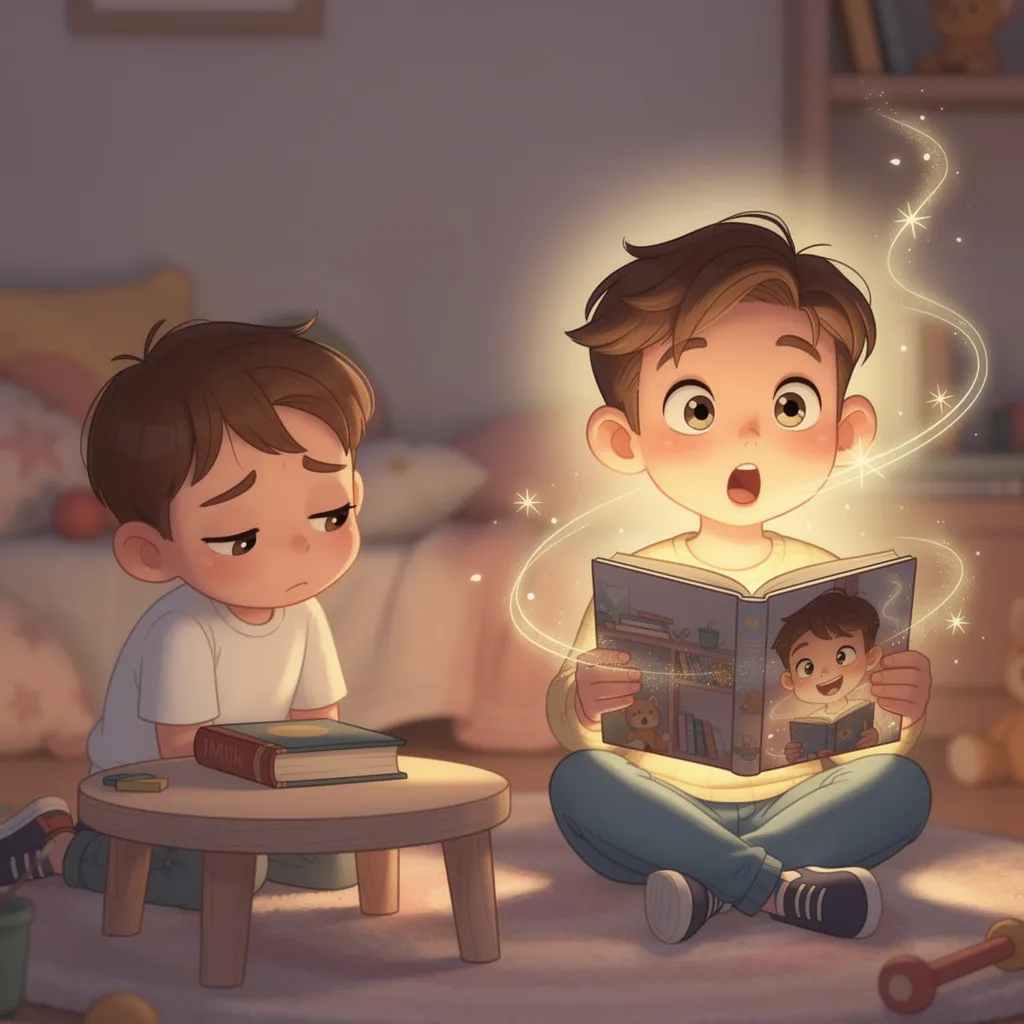
You've tried everything. The colorful book sets. The reading incentive charts with stickers. The "just ten minutes before bed" bargaining. And your child still looks at a book like you've handed them a plate of vegetables. If this sounds familiar, you're not alone. Studies suggest that roughly 25-30% of children are considered reluctant readers - kids who can read but simply don't want to. It's one of the most common concerns parents bring up with teachers, and it's one of the most frustrating because the usual advice - "just keep reading to them" - feels hollow when your kid is actively squirming away from every book you offer. But here's what most advice misses: the problem usually isn't reading itself. It's that the child hasn't found a story that feels like it belongs to them.
Why Kids Resist Reading
Reluctant readers aren't lazy or unintelligent - in fact, many of them are incredibly creative and imaginative. The disconnect usually comes from one or more of these factors. The stories feel irrelevant - they can't see themselves in the characters, the settings feel foreign, and the plots don't connect to their world. Reading feels like work - if a child is still developing fluency, the effort of decoding words overshadows any enjoyment from the story. There's no "hook" - children are competing with video games, YouTube, and apps that deliver instant dopamine, and a book has to work harder than ever to grab attention in those first few minutes. Or they've had negative associations built up - being forced to read, struggling in front of classmates, being told they're "behind." Understanding why your child resists is the first step toward finding what works.
The Self-Reference Effect: Why Personalization Works
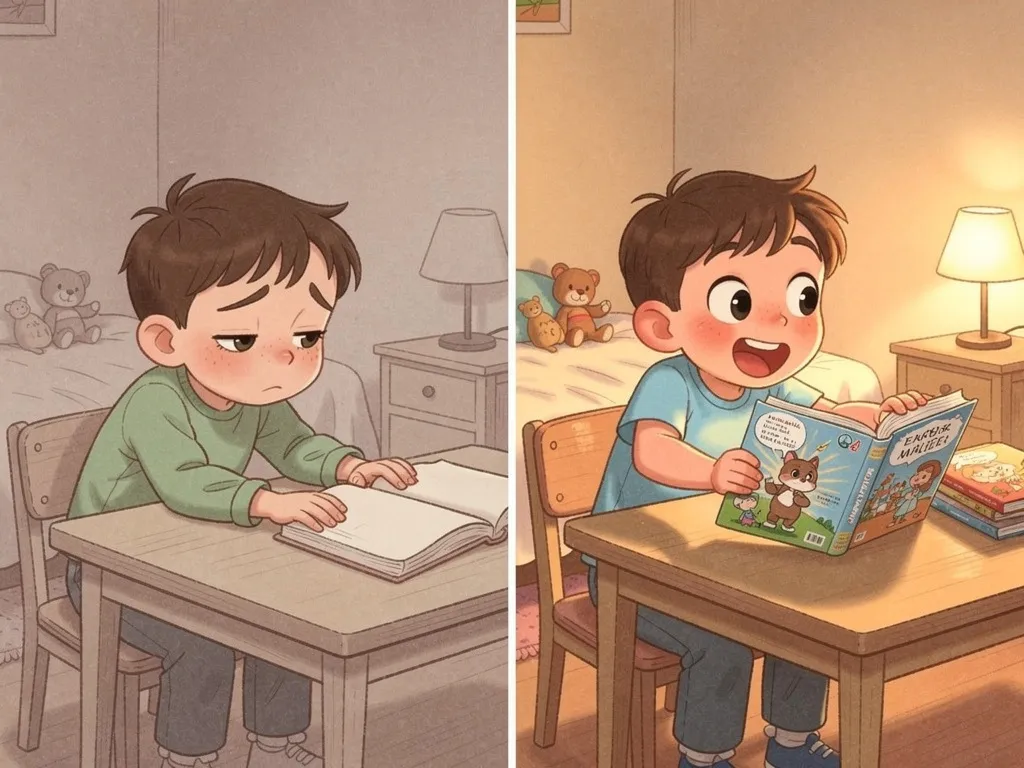
Cognitive psychologists have long known about the self-reference effect: people pay more attention to and remember more about information that relates to themselves. For children, this effect is especially powerful. A 2019 study in the Journal of Educational Psychology found that children who engaged with personalized reading materials showed approximately 40% higher engagement compared to those reading generic versions of identical content. Think about that number. Forty percent. Not a marginal improvement - a transformative one. When a reluctant reader opens a story and sees their own name, a character that looks like them, and an adventure set in a world that incorporates details from their life, the story crosses a threshold from "thing I have to do" to "thing about me." That shift is everything.
How Personalized Stories Break the Pattern
Here's what typically happens when a reluctant reader encounters a personalized story for the first time. There's a moment of surprise - "Wait, that's my name." Then curiosity - "Is that supposed to be me?" Then engagement - they lean in, they want to see the next scene, they want to know what "they" do next. The resistance drops because the fundamental calculation has changed. This isn't a book someone else wrote about characters someone else invented. This is their story, their adventure, their name being spoken aloud by a narrator who sounds genuinely excited to tell it. Teachers who use personalized reading materials report that reluctant readers voluntarily ask for more - something that previously seemed impossible. The key is that personalization doesn't just increase engagement; it rebuilds the child's relationship with stories entirely.
Practical Tips for Parents of Reluctant Readers
If your child is a reluctant reader, here are practical steps you can take. First, let them lead. Ask what they want the story to be about and follow their interest - even if it's "a burping contest on Mars." The goal right now is engagement, not literary sophistication. Second, start with listening. Fable's narrated stories let children experience storytelling without the pressure of decoding text. Many reluctant readers are actually enthusiastic listeners - they love stories, they just don't love the mechanical act of reading yet. Third, make it social. Create stories together. Let your child make choices about the plot, the characters, the setting. When they have ownership over the story, they're invested in hearing how it turns out. Fourth, keep it short. A five-scene story is perfect. Win the battle of engagement before worrying about length.
Building Toward Independent Reading
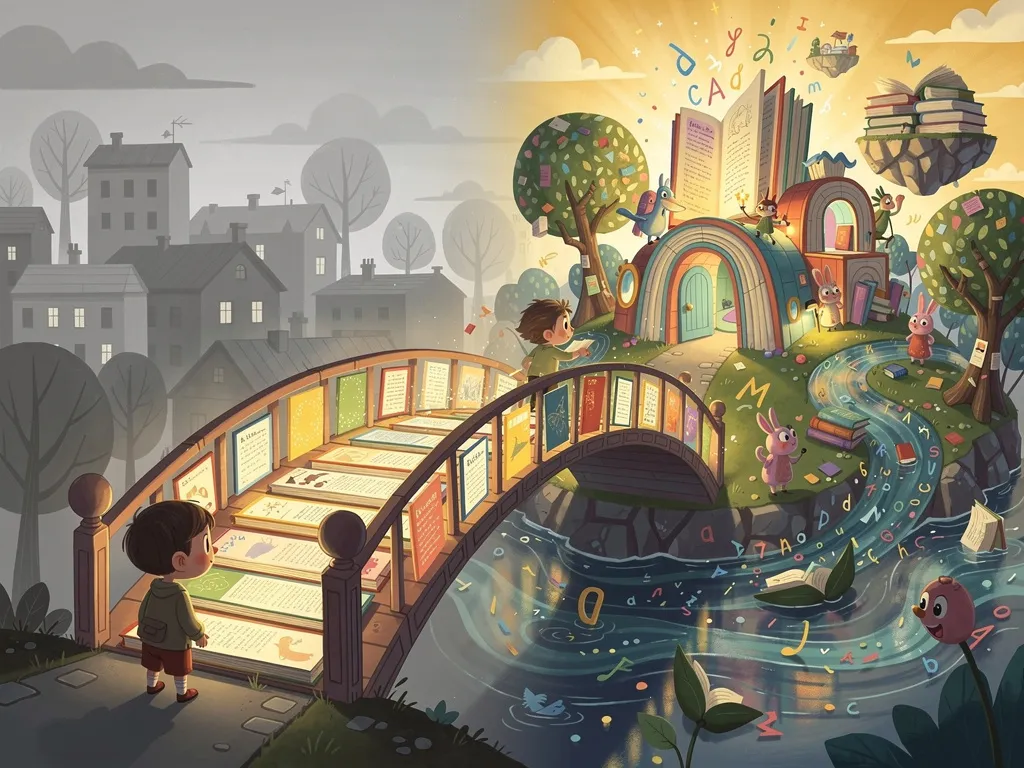
The ultimate goal isn't to replace books with an app - it's to build a bridge. When a reluctant reader discovers that stories can be exciting, personal, and fun, they start to associate "story" with "enjoyable experience" rather than "boring obligation." That positive association carries over. Parents tell us that children who started with Fable stories eventually picked up physical books with more enthusiasm because the fundamental relationship with stories had been repaired. Some families use Fable's printed book feature to create physical books that their child can read independently - books they're motivated to read because the character is literally them. It's reading practice disguised as the coolest thing on their bookshelf.
Every Reader Has a Story That Works
There's no such thing as a child who doesn't like stories. There are only children who haven't found their story yet. Every kid has something that lights them up - dinosaurs, space, cooking, sports, animals, magic, robots. When you take that thing and turn it into a story where they're the hero, you stop fighting against their resistance and start working with their natural curiosity. Fable makes this easy. In under 5 minutes, you can create a fully illustrated, narrated story about your child doing the thing they love most. No reading pressure. No boring characters. No "this story isn't about me" disengagement. Just a great story, starring the one person guaranteed to hold their attention - themselves.
Frequently Asked Questions
How do I get my child to enjoy reading?
Start with stories about them. When the book features your child as the hero, the motivation to read changes completely. They are not decoding words about a stranger - they are reading about themselves. Personalized stories with audio narration also let reluctant readers listen first and gradually follow along with text.
Why do reluctant readers respond to personalized stories?
Personal stake. When the book is literally about them - their name, their face, their interests - the effort of reading feels worthwhile for the first time. Many parents report a breakthrough once their child saw themselves as the hero of a story.
Can AI stories help with reading comprehension?
Research shows children comprehend and retain more from stories featuring themselves as characters. The personal connection creates natural motivation to understand what narrative, which drives engagement with the text. Audio narration also supports comprehension by modeling fluent reading.
I regularly share updates on what I'm building and how I'm improving Fable.
Follow me on XReady to Create Your Own Story?
Create a story in your browser, or download Fable for iOS and Android. Add your own characters, illustrations, and narration.