What Makes a Great Story?
The Beginning
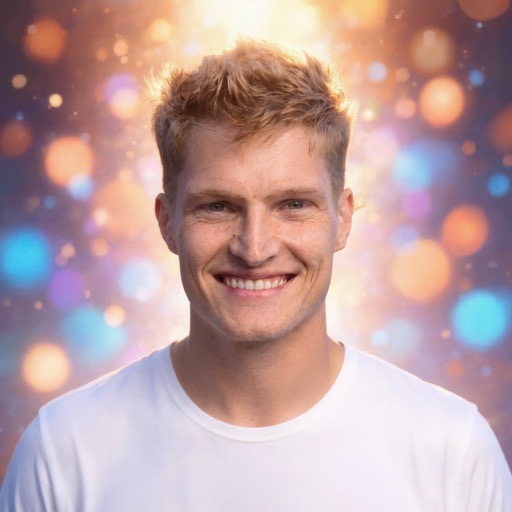
I created Fable two years ago. I had been experimenting with AI, really just trying to figure out what I could build. I had access to voice synthesis, image generation, and LLMs to create text. So naturally I thought - wouldn't it be cool if you could make your own bedtime stories? At the time, AI-generated content was mostly text - chatbots, auto-complete, that sort of thing. But I saw something bigger. What if you could combine voice, images, and narrative into a single, seamless experience? What if anyone could become a storyteller without needing to write, draw, or record anything themselves? That idea grabbed hold of me and wouldn't let go.
The Early Days
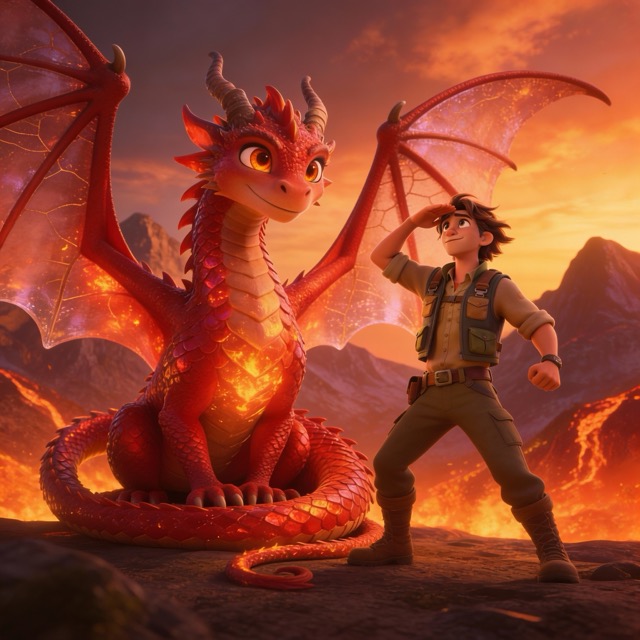
So I tried to build it, and wow - all my friends loved hearing stories about themselves. However, I was limited to just one image per story because the characters were not consistent. In one image your character was a boy with blonde hair, and in the next it was a totally different person. It was confusing and unusable. But I kept working on it. Night after night, I'd tweak the prompts, adjust the generation pipeline, and test dozens of approaches to get characters looking the same across scenes. It felt impossible at times. I must have rewritten the image generation logic at least fifty times before I started seeing any real consistency.
Cracking the Code
I really had to figure out what made a good story. First up: making characters look consistent across every scene. Once I nailed that, the next challenge was voice. How do you make characters pause, or have a narrator laugh, or express genuine emotion? Real narration isn't just reading words out loud - it's pacing, tone, emphasis, and knowing when to let silence do the talking. I spent weeks studying how professional voice actors deliver lines and tried to replicate that dynamic range with AI voices. The difference between a flat reading and an expressive one is night and day - it's what turns a sequence of images into something that actually feels alive.
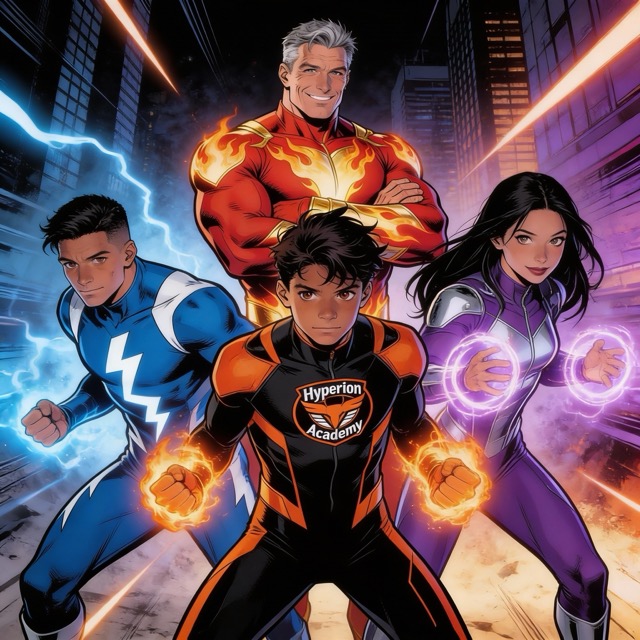
Then I noticed characters were always facing the reader head-on, and camera angles weren't being incorporated at all. Every scene looked the same - flat, static, like a passport photo with a fantasy background. Stories have so much depth to them - camera angles, lighting, expressive narration, consistent settings and characters - and none of that was coming through. I started to feel less like a developer and more like a director, carefully guiding the AI on how to compose each scene. When a character is speaking, they should face the camera. During action scenes, the angle should pull back to show the full environment. I was orchestrating every shot, every transition, learning what makes a scene feel cinematic rather than generated. Getting the AI to do this reliably took months of iteration, but it completely transformed how stories felt.
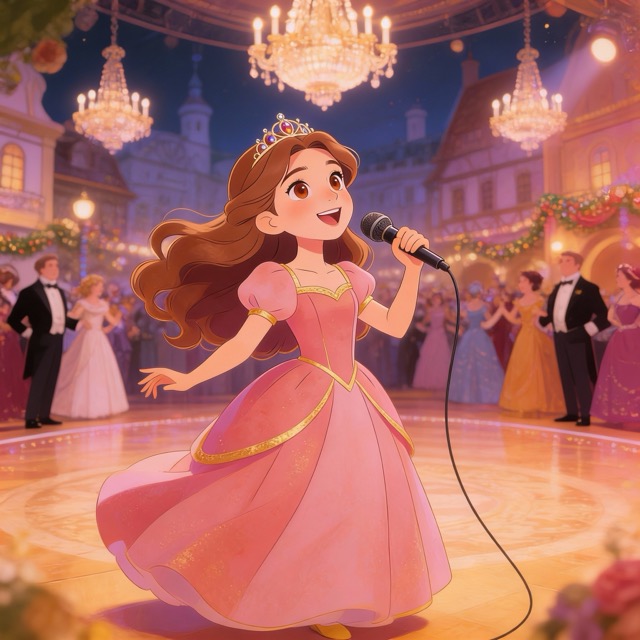
Then came musicals. I realized that every great Disney film has musical numbers woven into the story - moments where characters break into song and it just works. So I started experimenting with generating original songs that characters could actually sing during the story. Getting AI to produce something that sounds like a real musical number and fits the narrative was a whole challenge on its own, but when it clicked, it added a completely new dimension.
But beyond musicals, I noticed something else - every good story has subtle background music that fits the mood. A quiet piano during an emotional scene, an adventurous orchestral swell when the hero sets off on a quest. So I added that too. Now every scene has its own background score that shifts with the tone of the story. It sounds like a small detail, but it completely changes how immersive the experience feels. Then the question became how to make stories longer - five scenes became ten, ten became twenty. Each challenge led to the next, and each solution opened up new creative possibilities I hadn't even considered.
The Magic of Storytelling
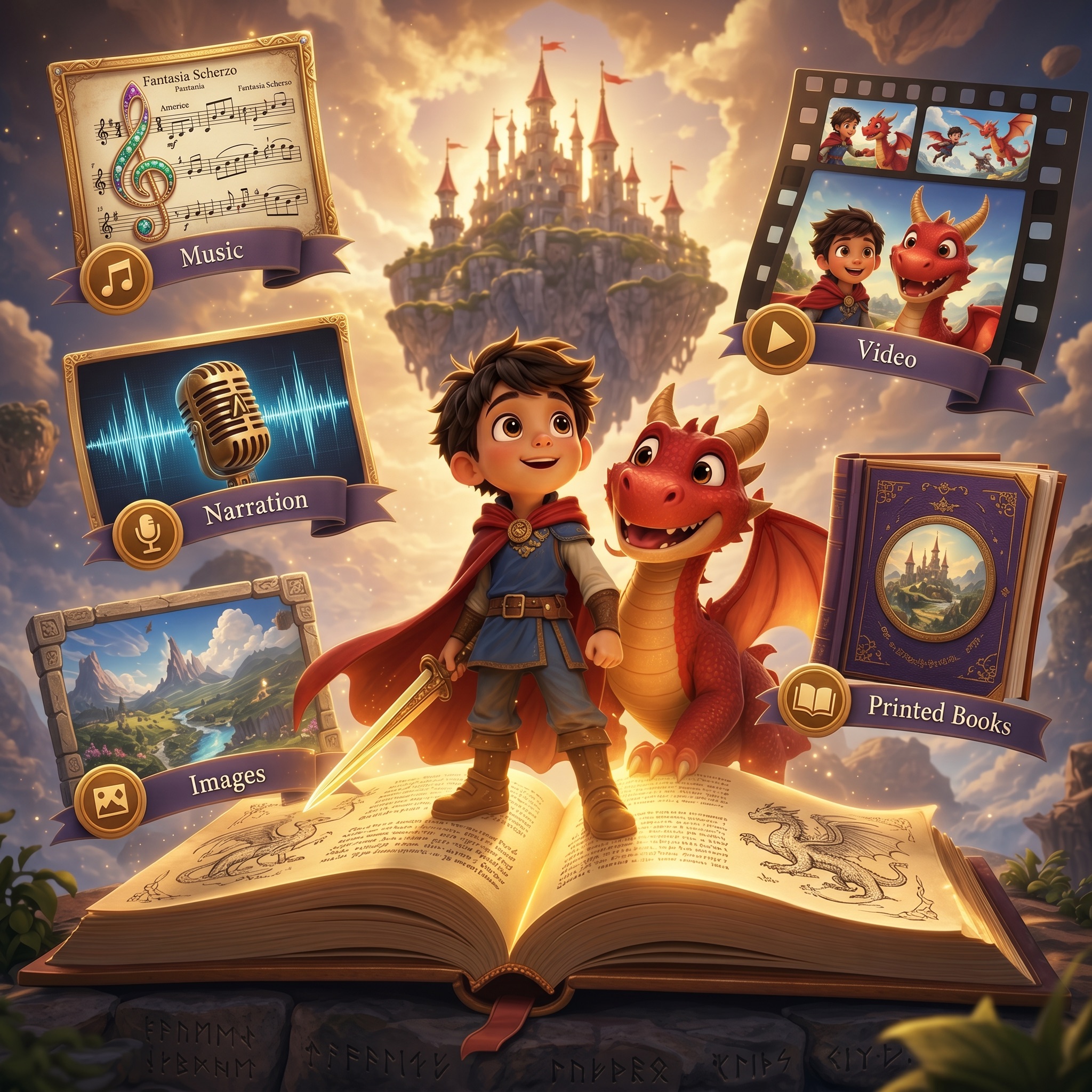
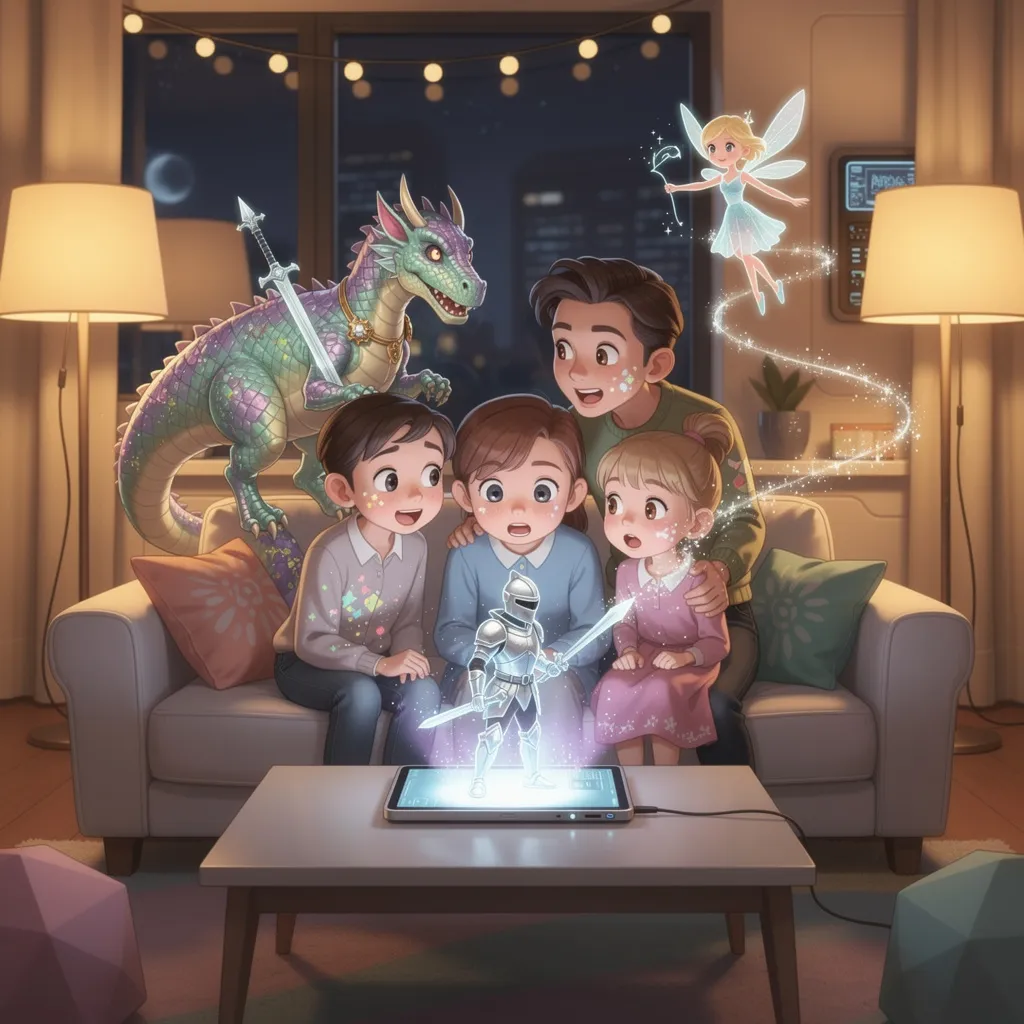
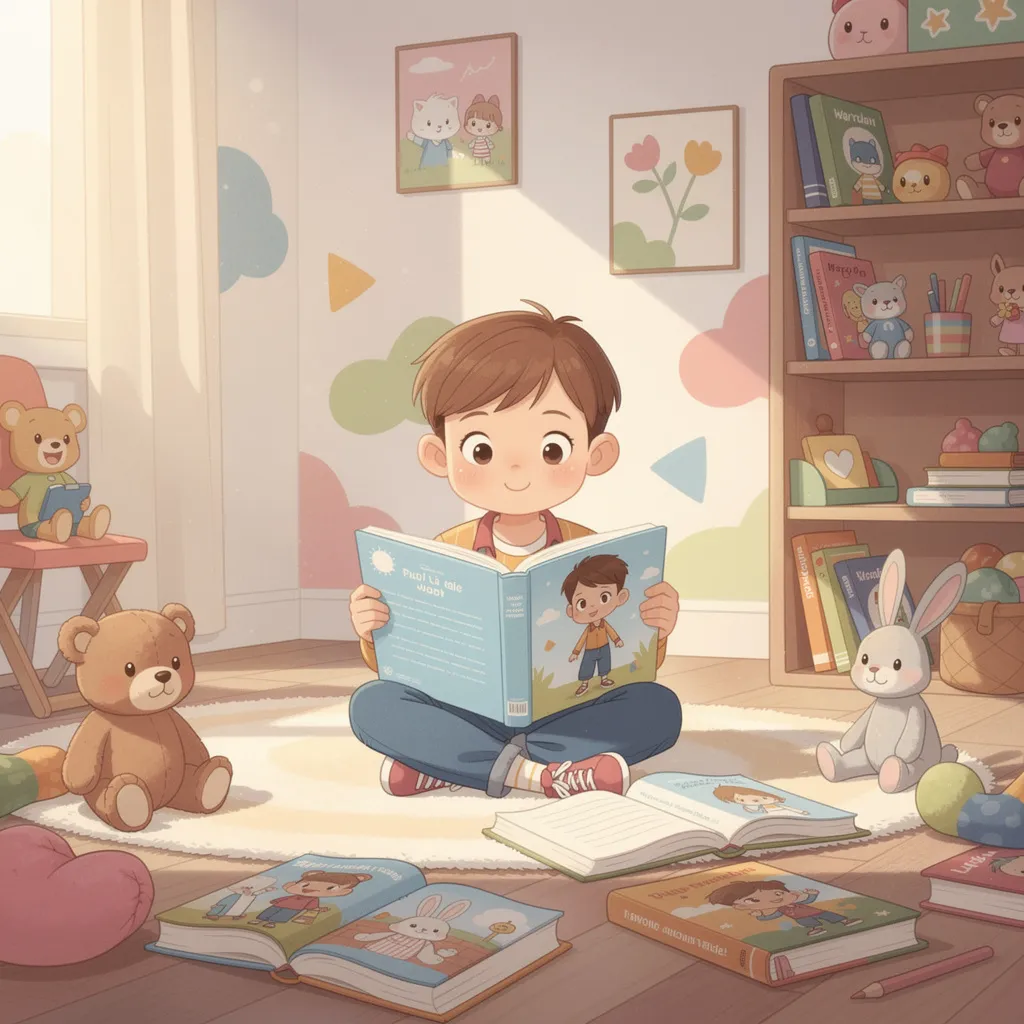
Storytelling is magic. Even though AI does most of the heavy lifting, it's still up to the user's imagination what story to make. Fable helps with suggestions, but ultimately people are special - we know better than anyone what we like and what we don't, especially when it comes to friends and family. Now Fable can streamline that process and really empower people to make genuinely fun stories together. I've seen parents create bedtime stories starring their kids, friends make hilarious adventure tales for each other's birthdays, and teachers build interactive lessons that actually hold students' attention. Every story is different because every person is different - and that's the whole point.
Personally, I've been enjoying creating realistic Pokemon stories that sound like David Attenborough himself narrates them - it's incredible! The combination of hyper-realistic art styles with that iconic documentary narration makes for something you genuinely can't find anywhere else. And that's just one example - people are making superhero origin stories, fantasy epics, sci-fi adventures, and heartfelt family tales every single day.
See Fable in Action
These videos were each generated from a single prompt:
Frequently Asked Questions
What makes a good AI-generated story?
The same things that make any story good - a relatable character, a clear problem or quest, emotional stakes, and a satisfying ending. The difference with AI is speed and personalization. A specific, detailed prompt produces a much better story than a vague one.
Are AI storytelling apps worth it?
If you want on-demand, personalized stories where your child is the hero - yes. They are not replacing published children's literature, but they fill a different need: custom stories for bedtime, car rides, or special occasions. Fable creates a complete illustrated story in under 5 minutes.
How is AI storytelling different from traditional children's books?
Traditional books are one-size-fits-all. AI storytelling lets you create a story about your specific child, with their name, appearance, and interests woven in. The illustrations show a character that looks like them on every page. It is personalization that was not possible before AI.
Built with Heart
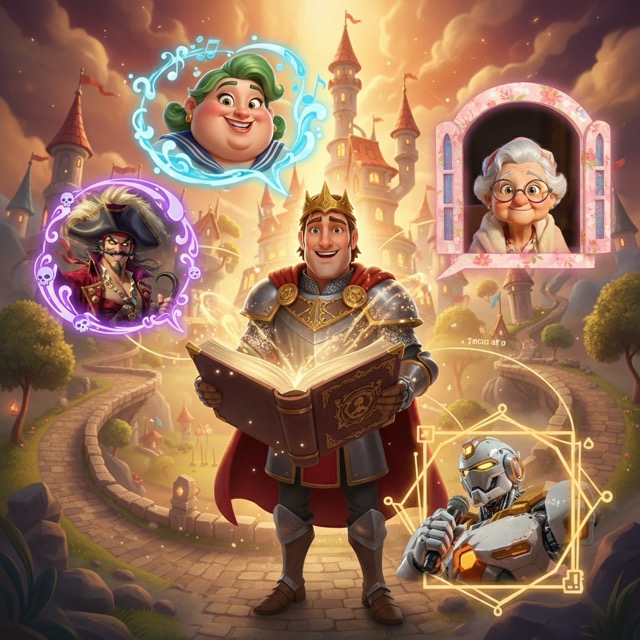
I hope you all enjoy Fable. It's a truly special app that I pour my heart and soul into. I've spent more 3am nights than I can count building something I can be proud of, and I genuinely believe Fable is the best storytelling app out there right now. It truly makes any story feel like you wrote it yourself. Every customer can try a free 3-day trial. I know it can be expensive for some, but it's unfortunately a one-man shop and it costs a lot to generate these stories. Every story is crafted just for you - unique characters, unique narration, unique artwork. No two stories are ever the same, and I think that's what makes Fable so special.
I regularly share updates on what I'm building and how I'm improving Fable.
Follow me on XReady to Create Your Own Story?
Create a story in your browser, or download Fable for iOS and Android. Add your own characters, illustrations, and narration.